

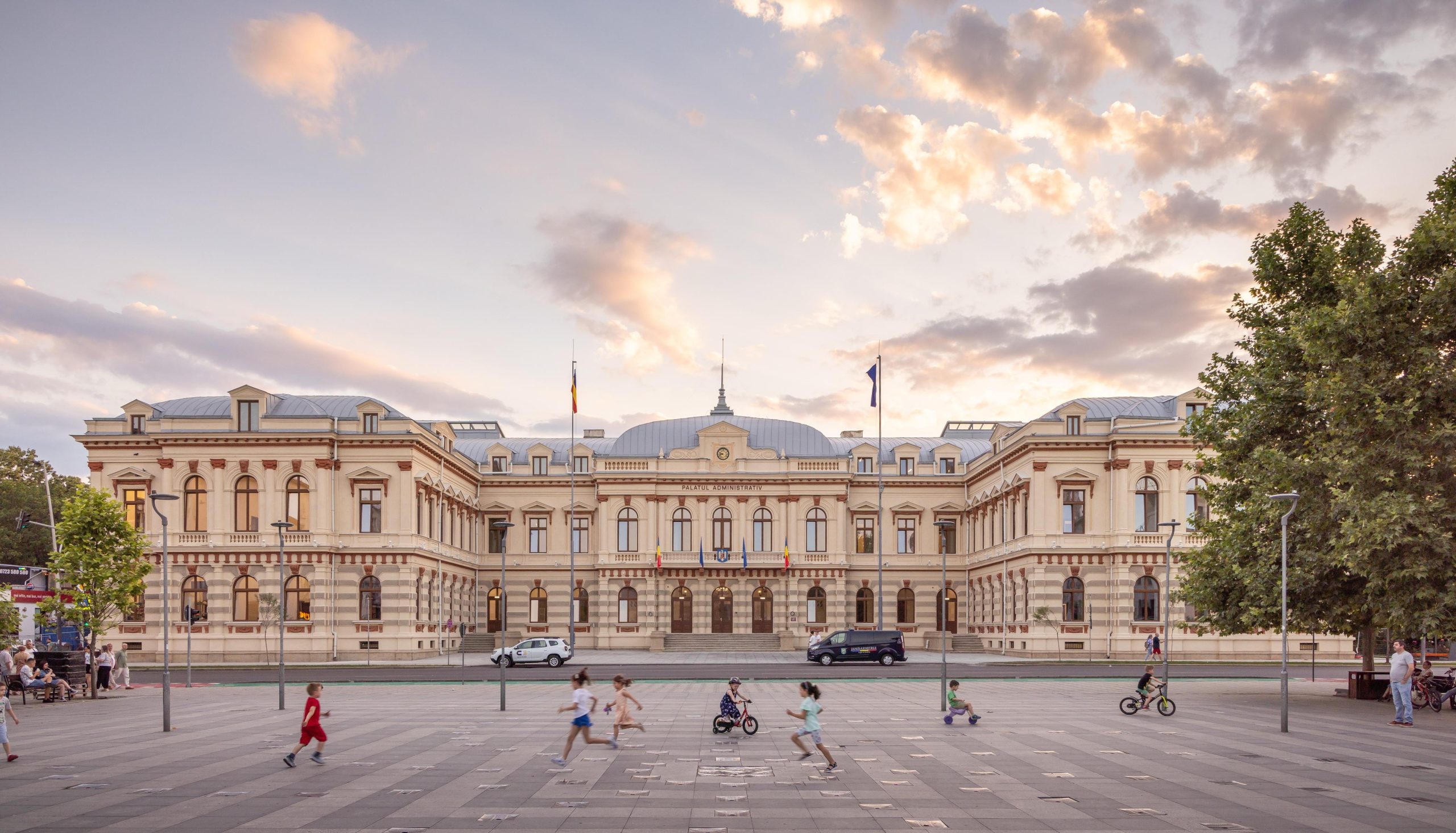
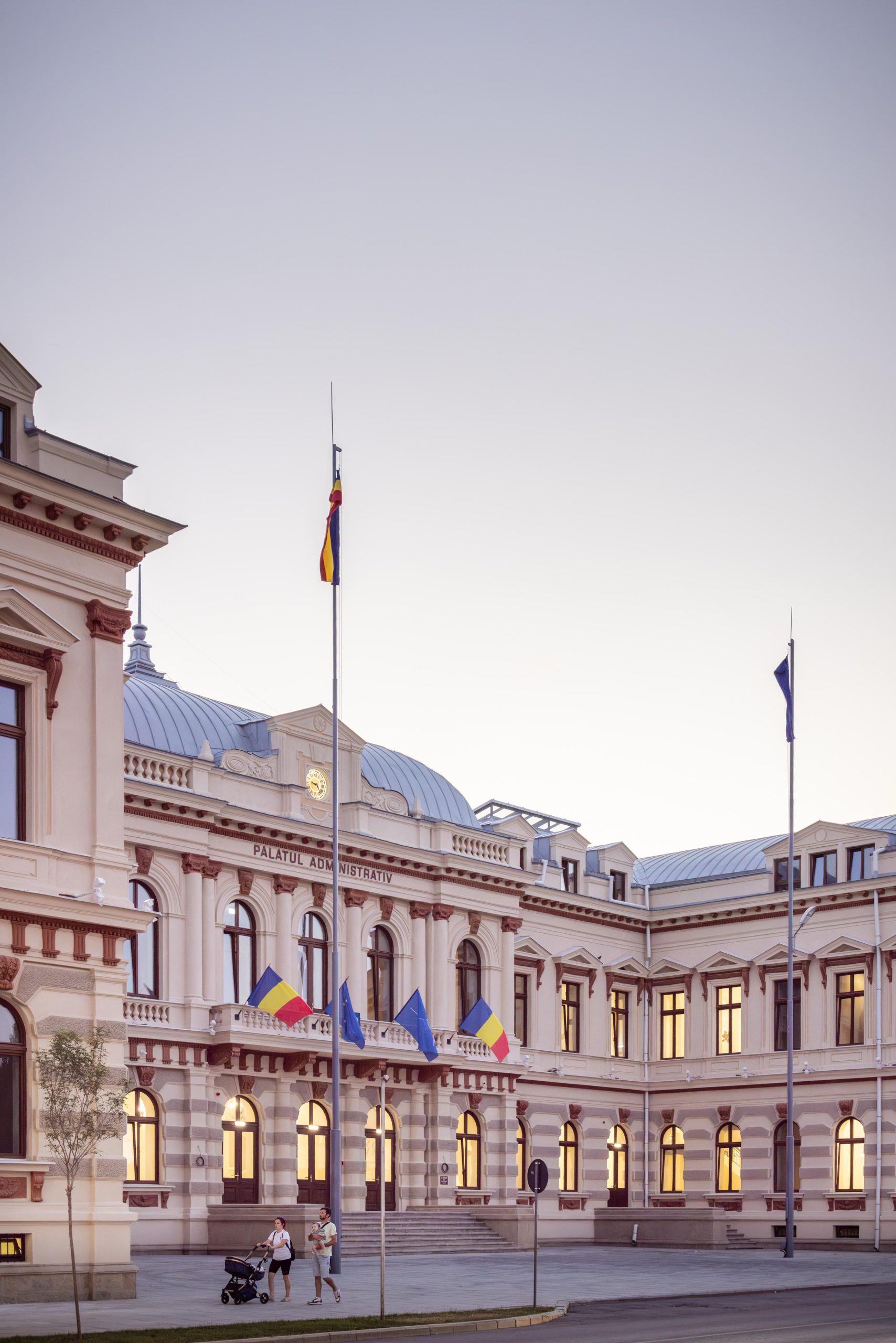
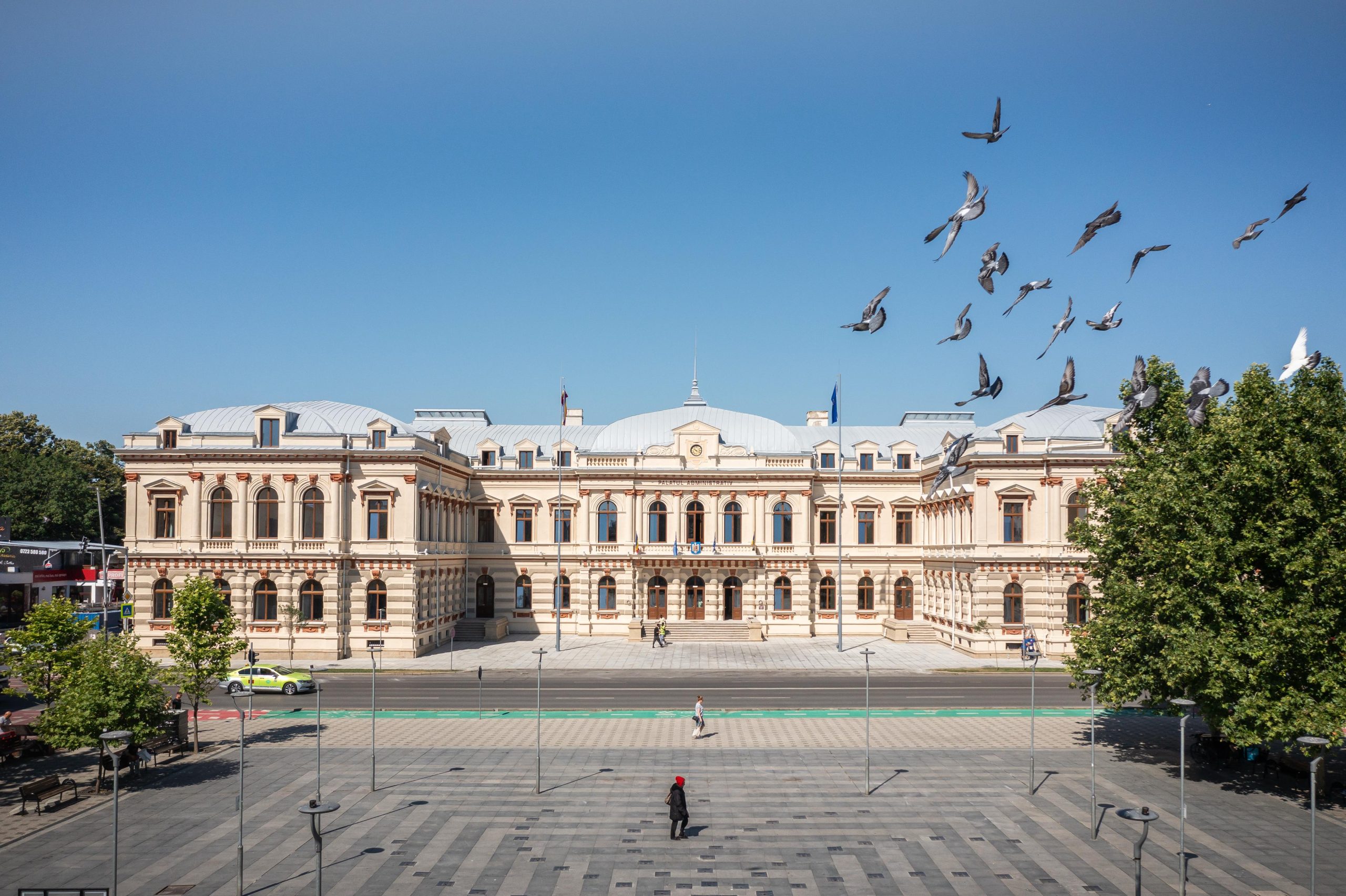
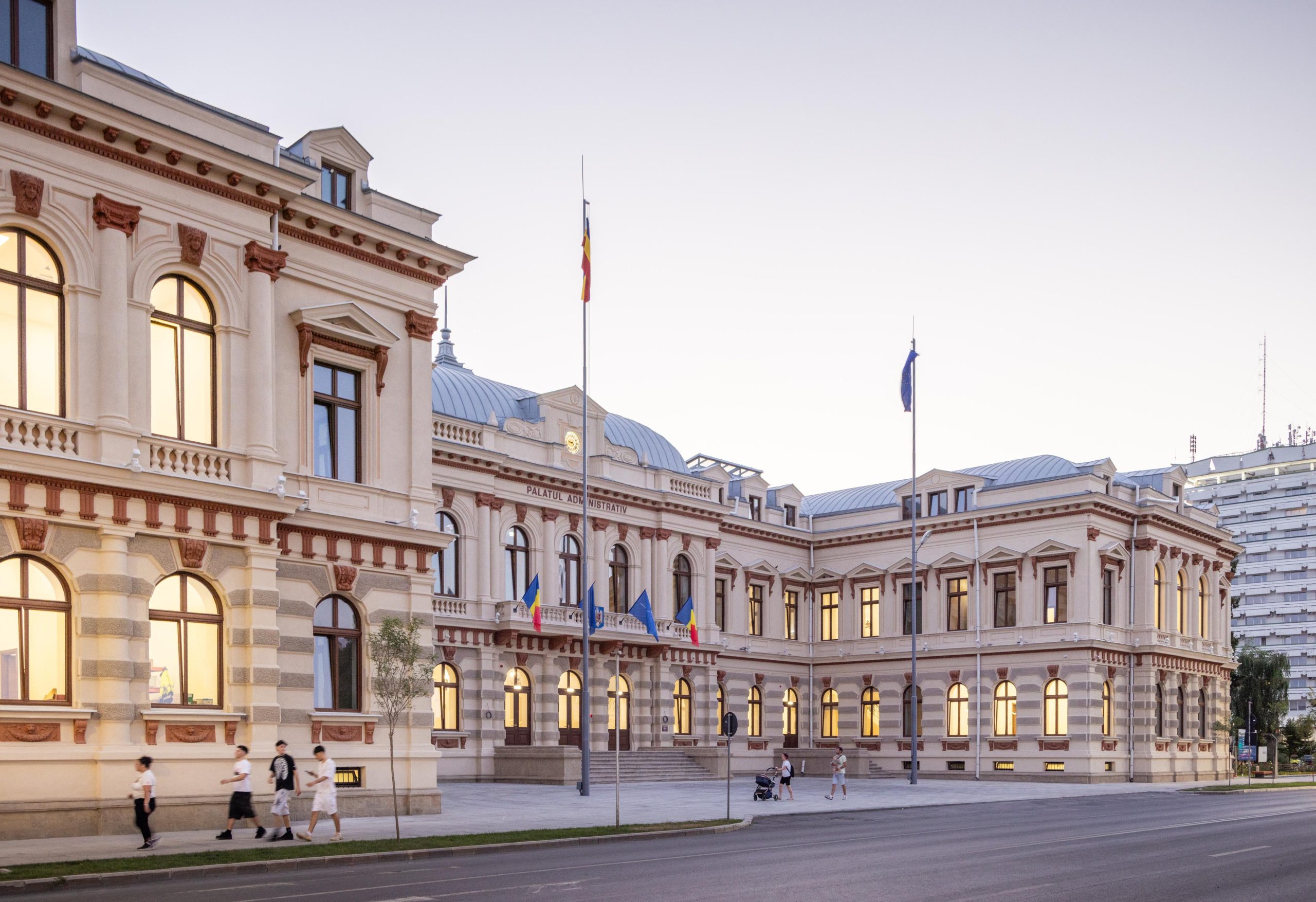
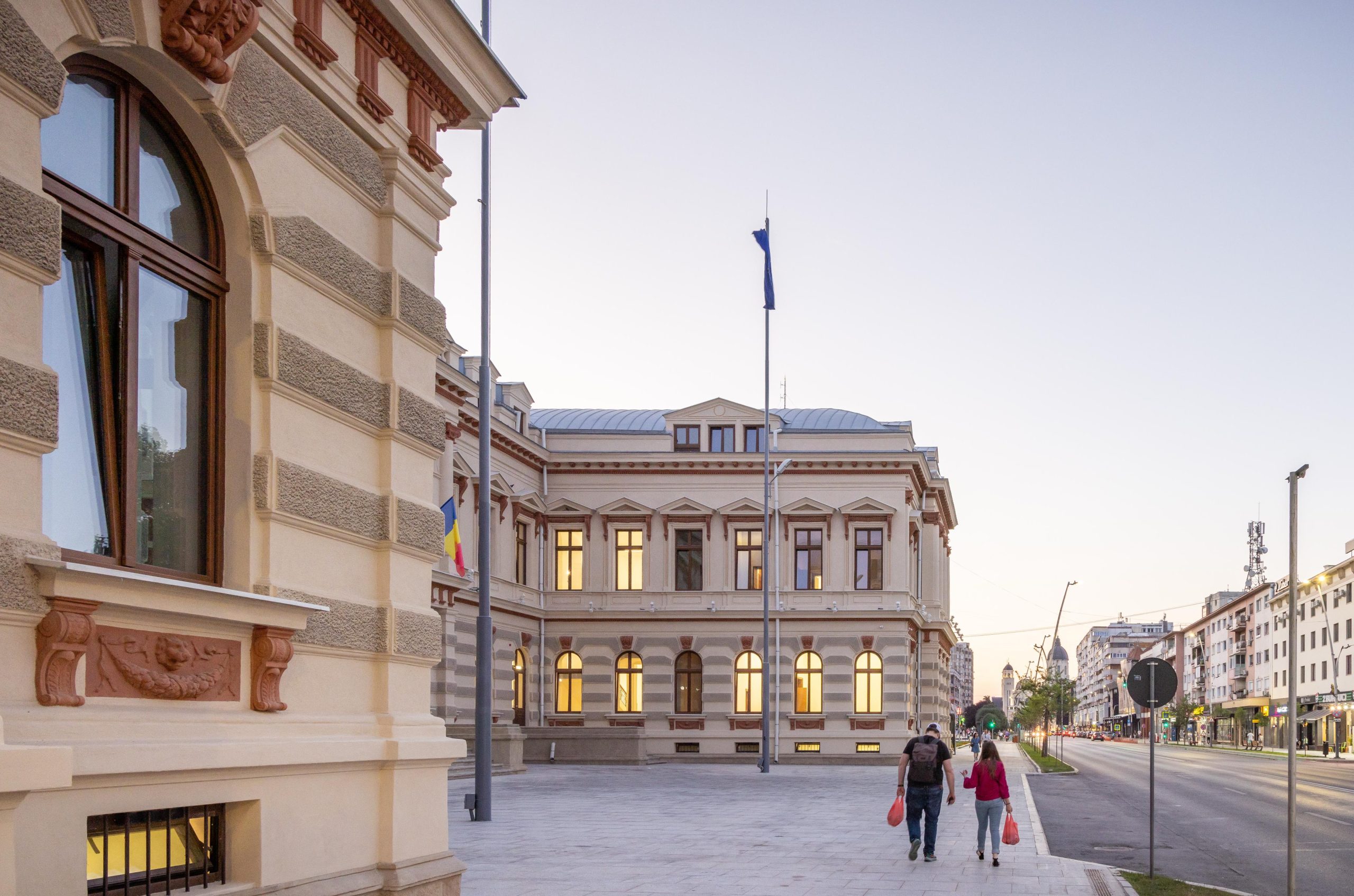
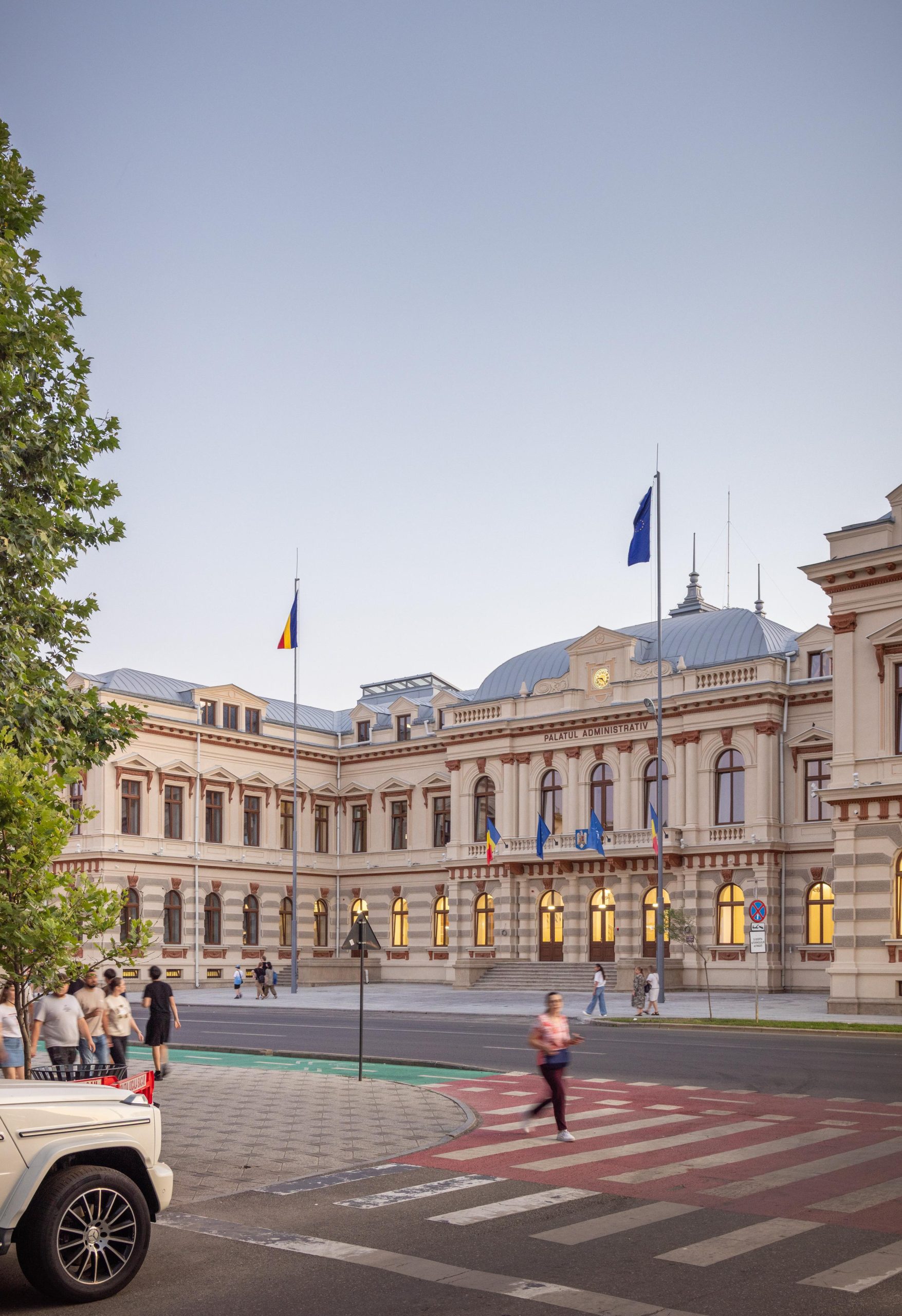
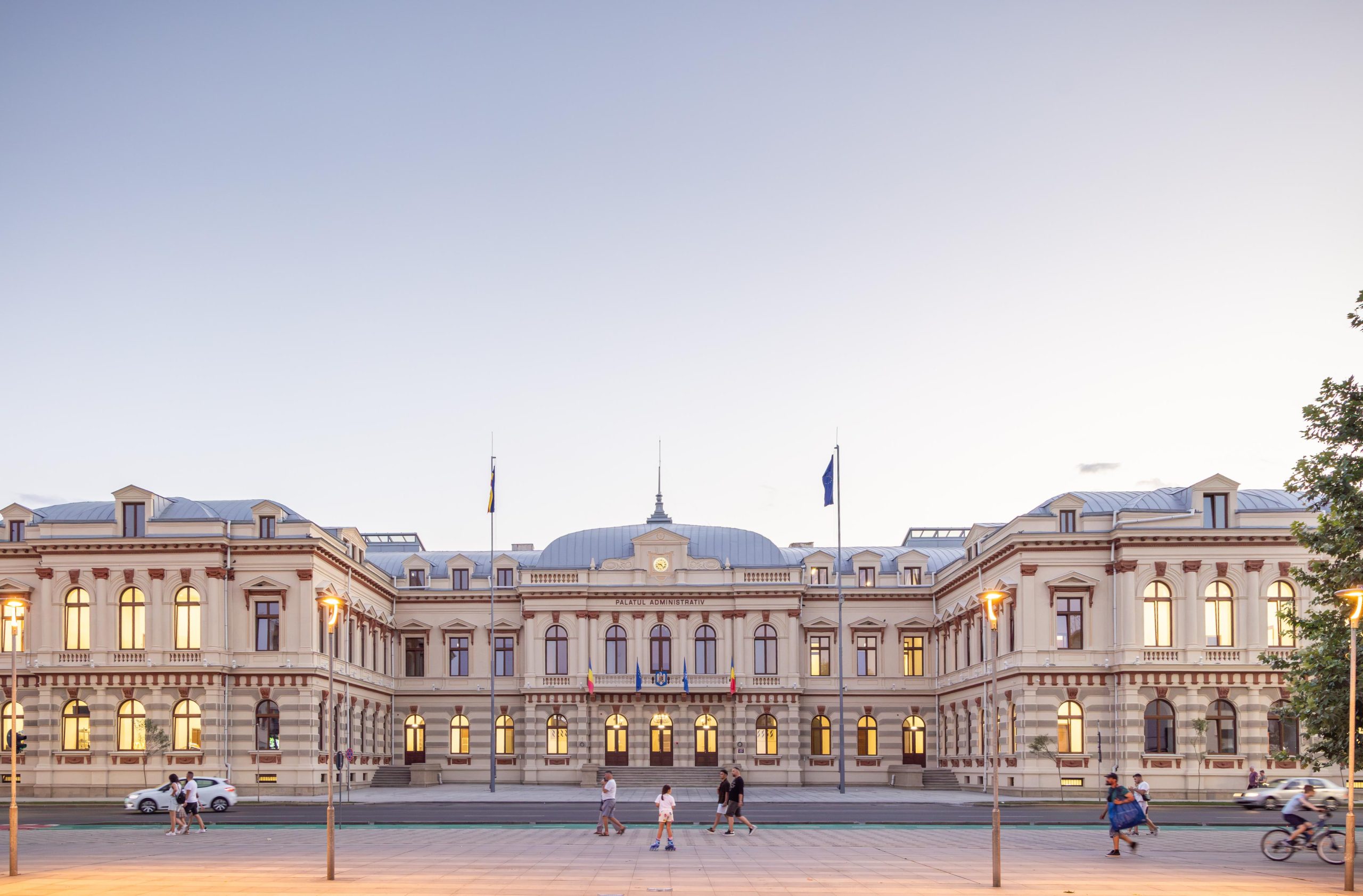
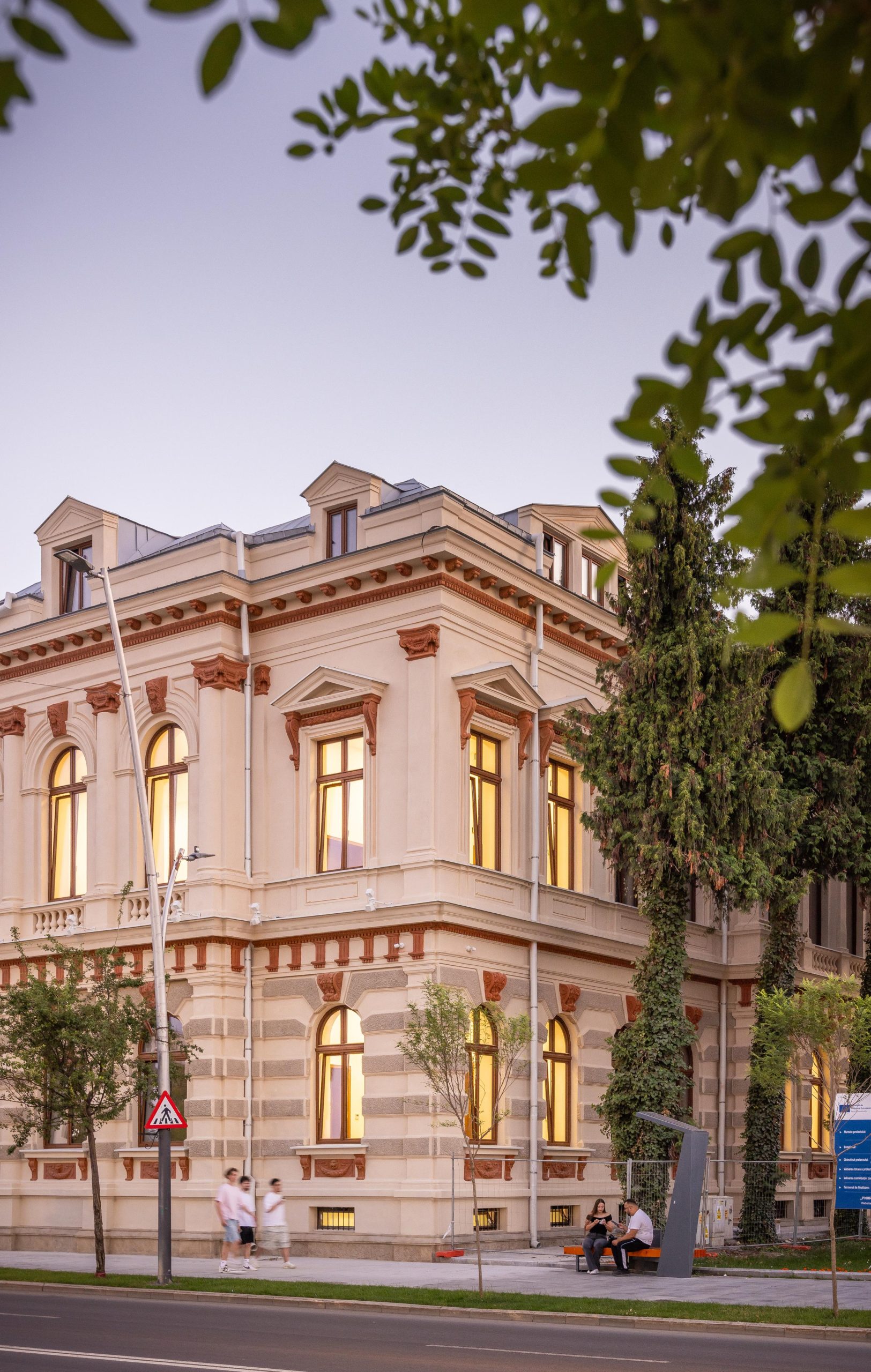
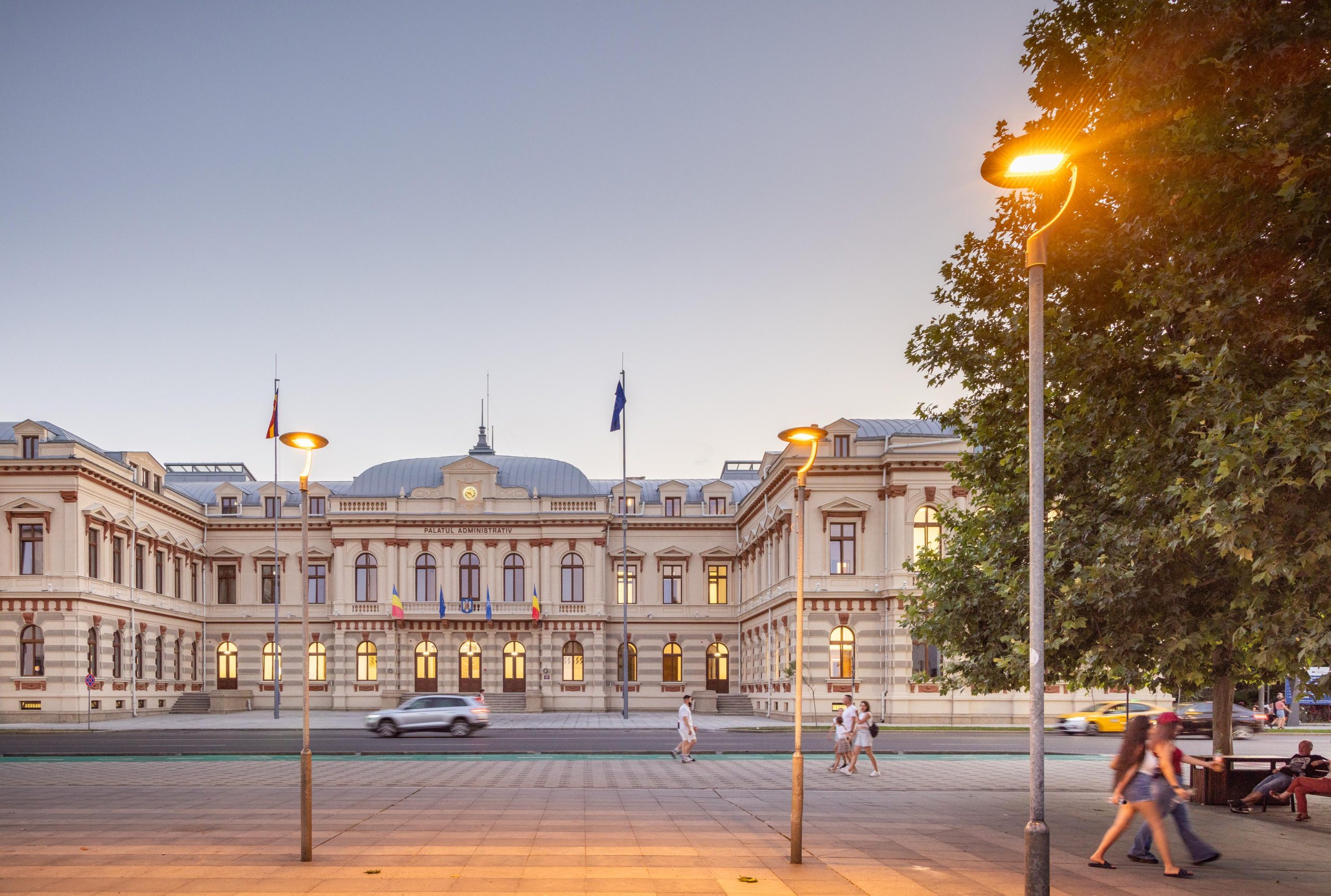
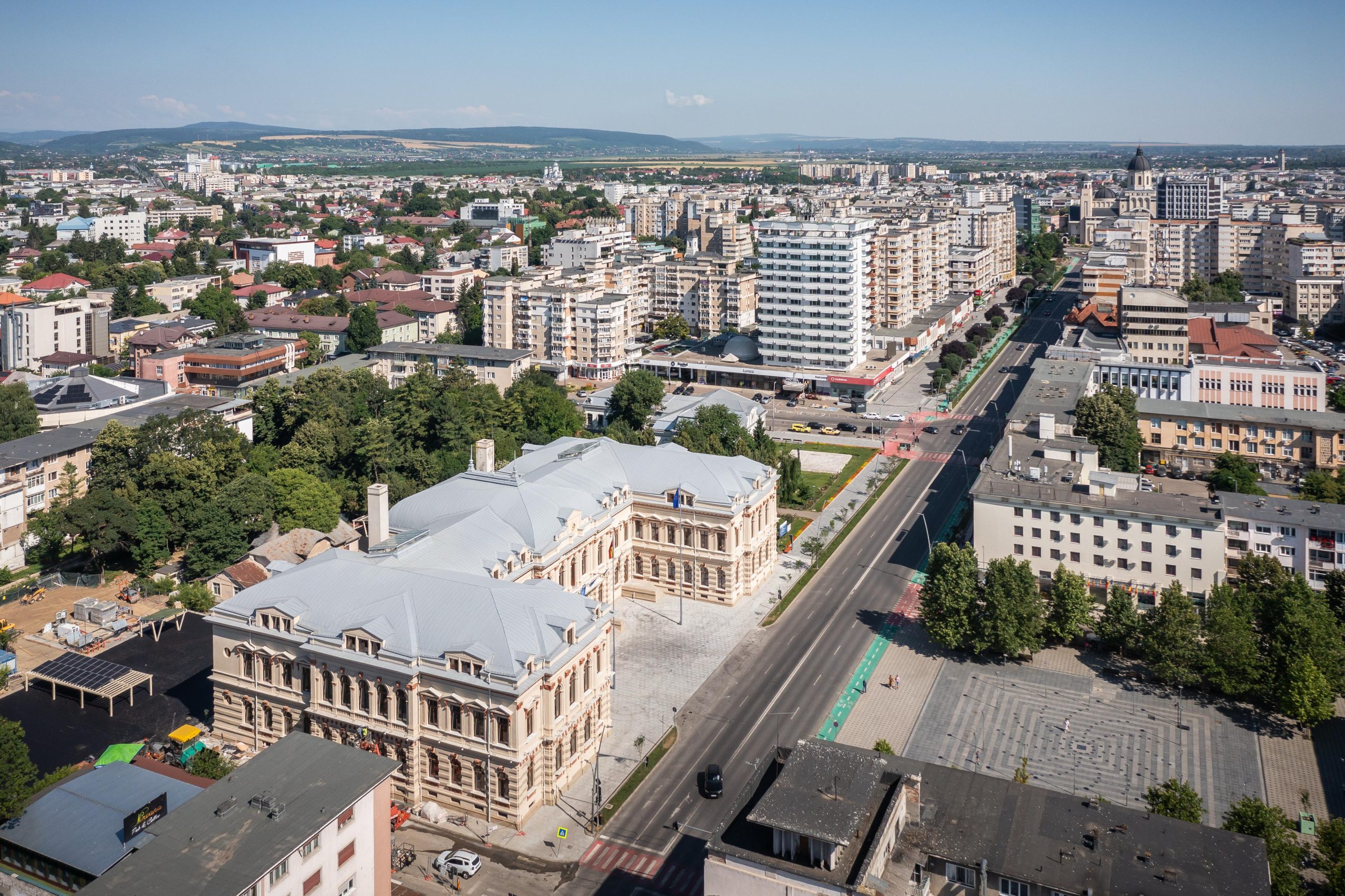
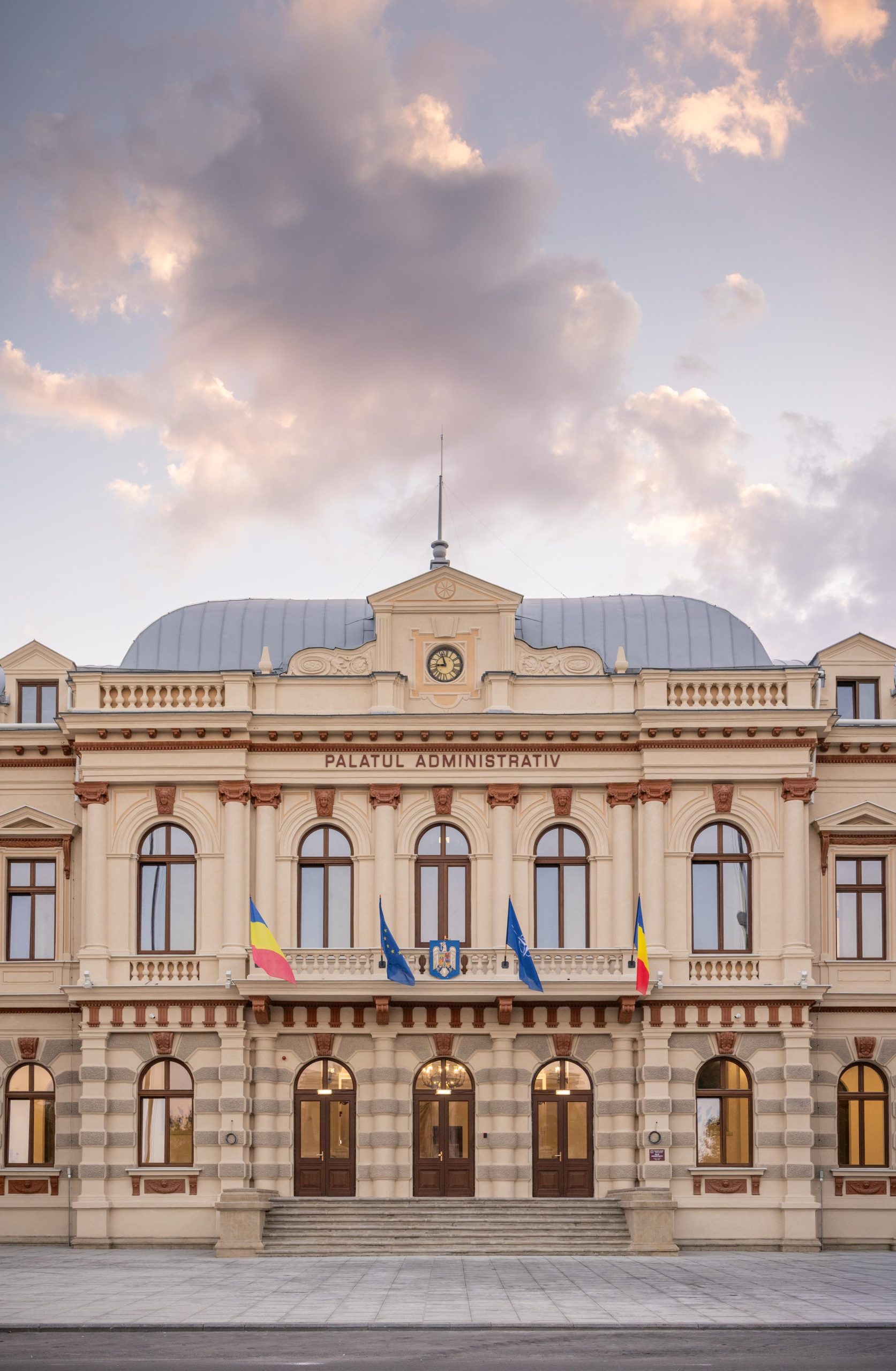
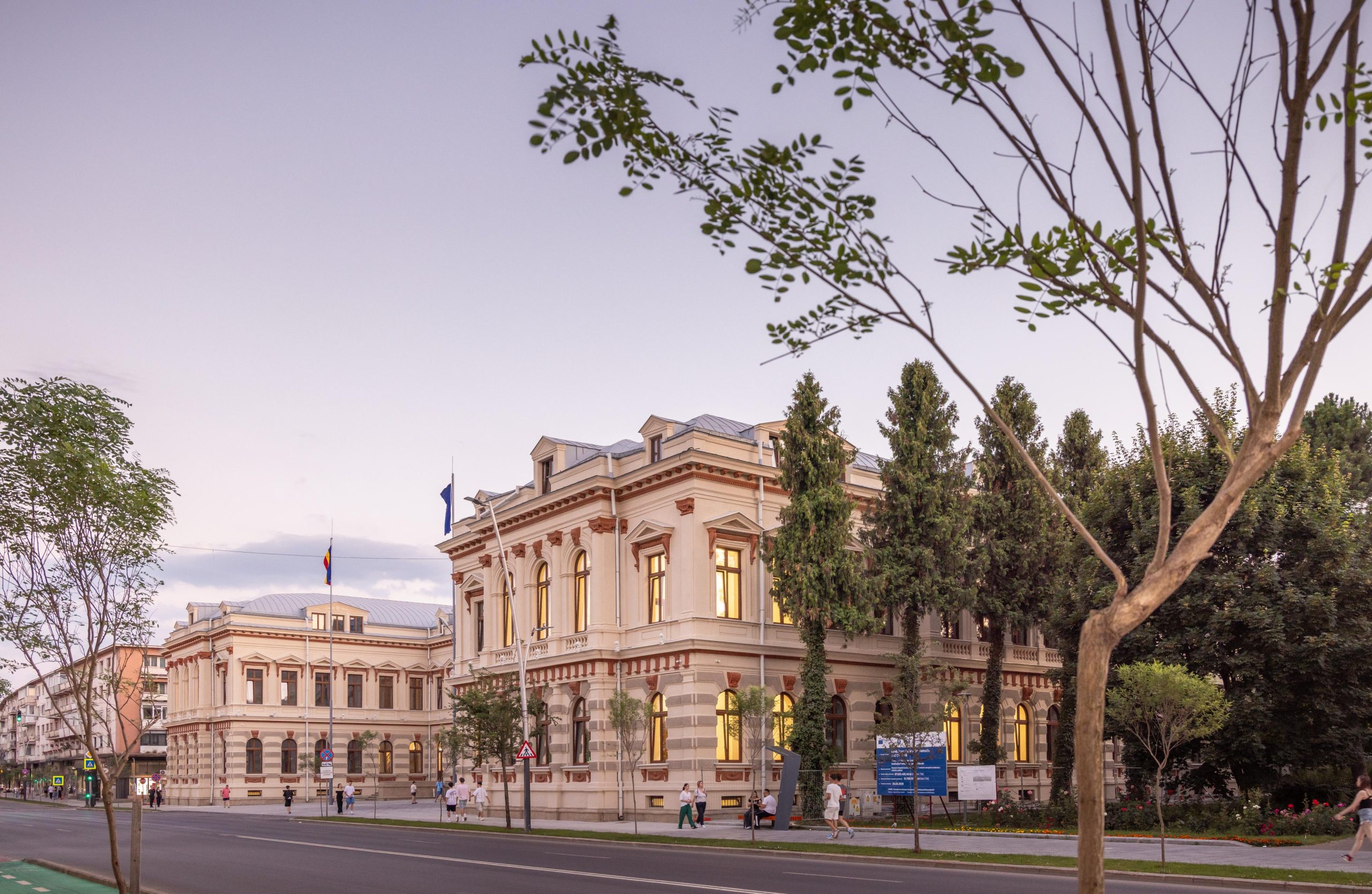


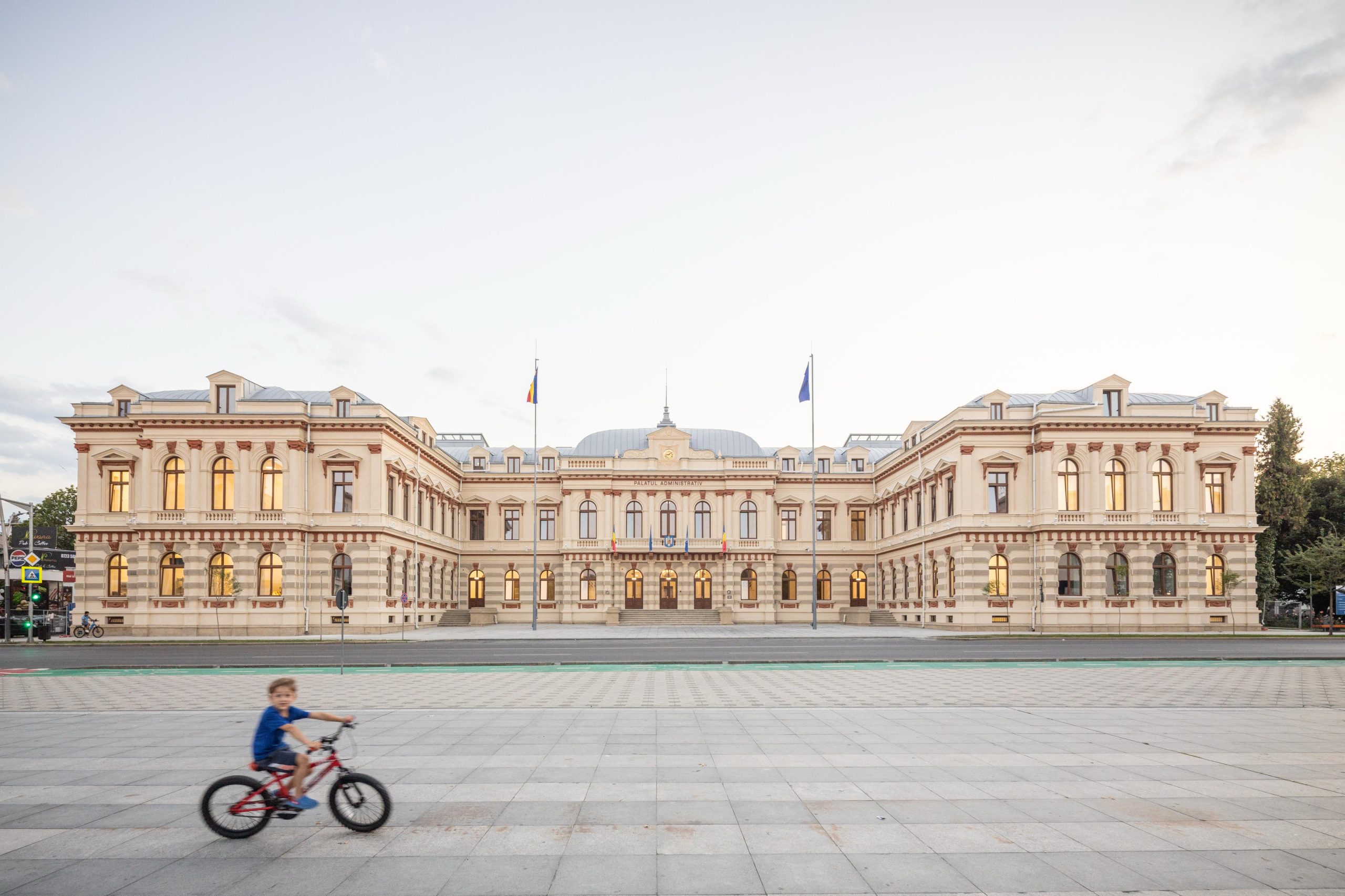

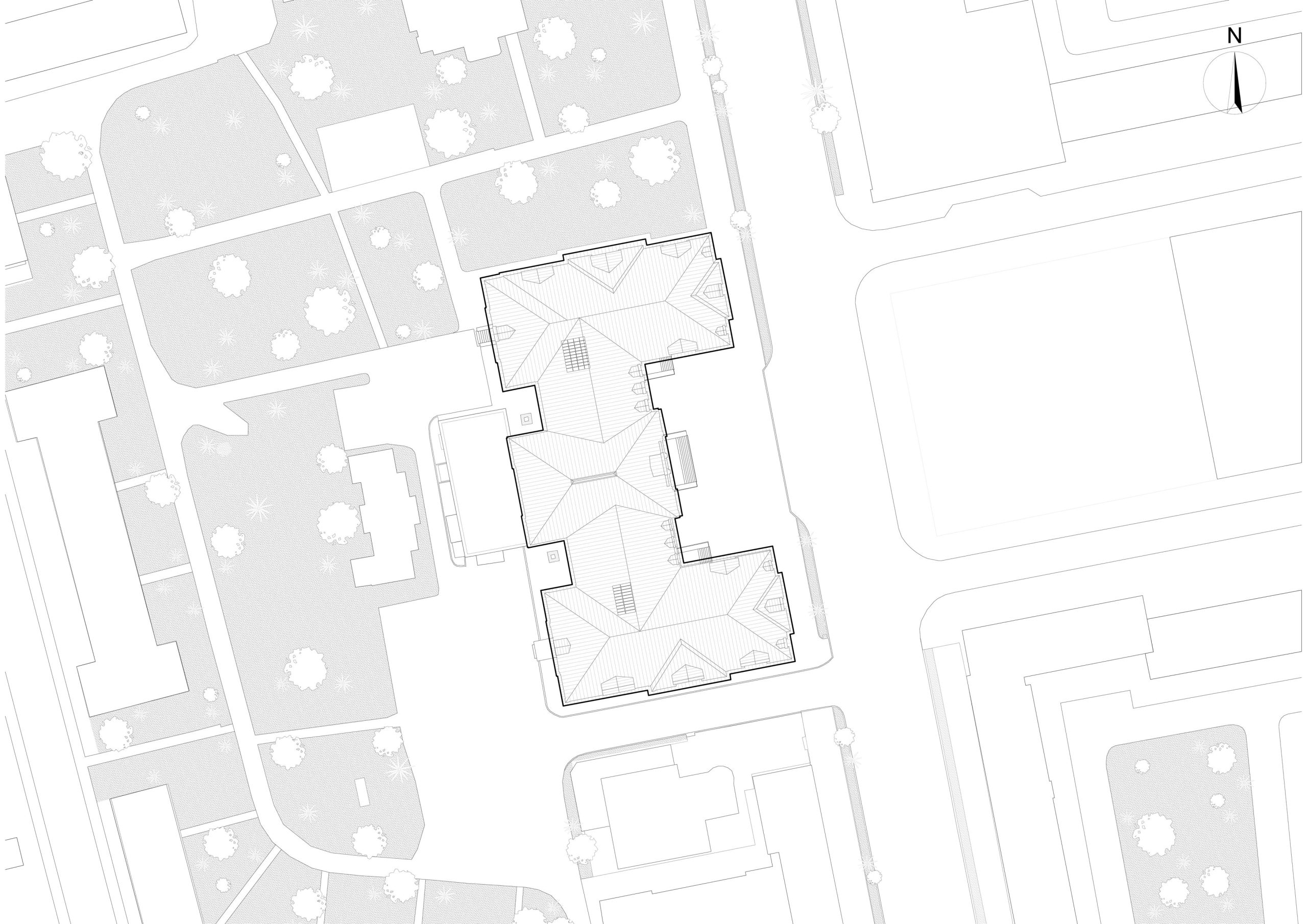
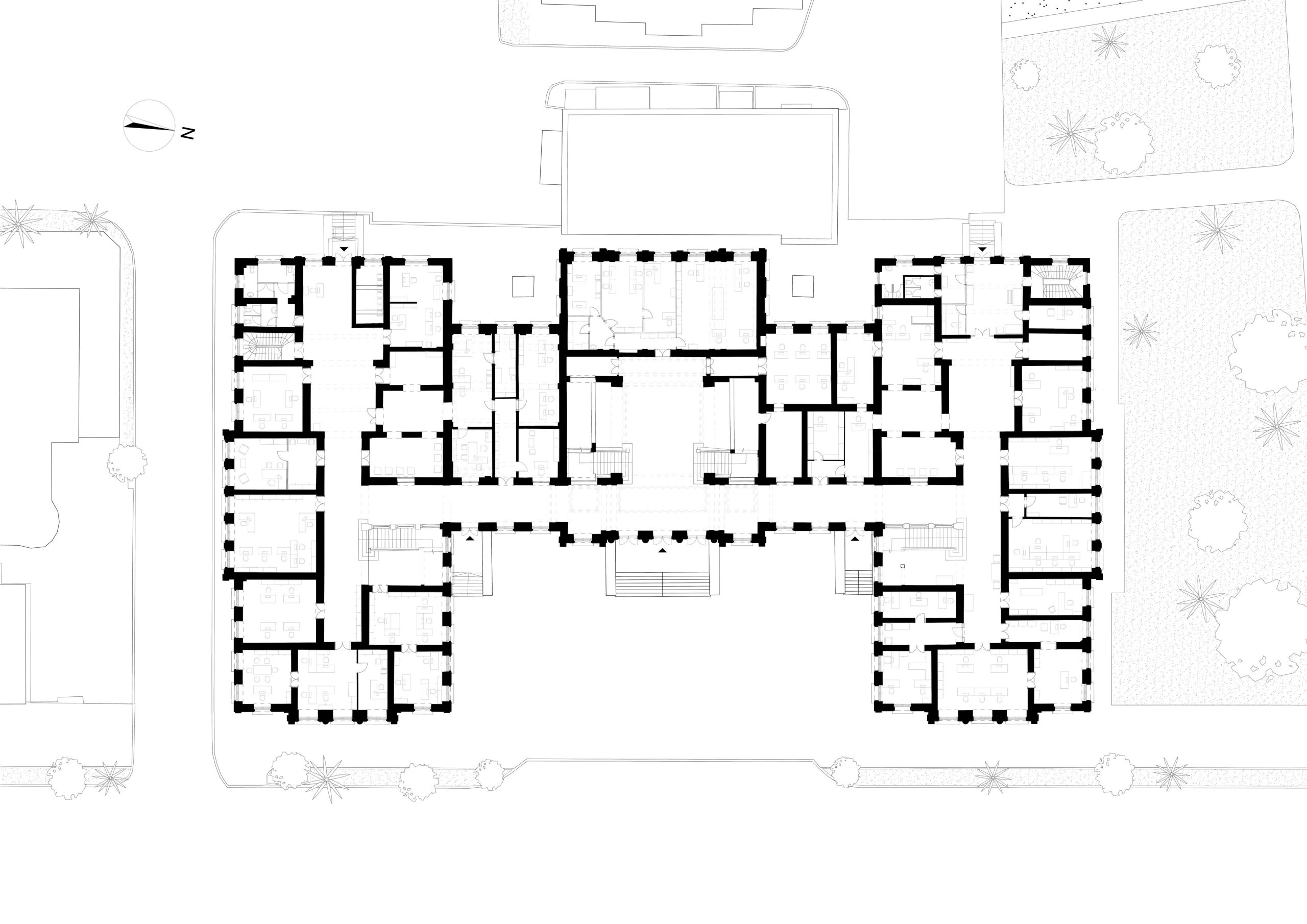
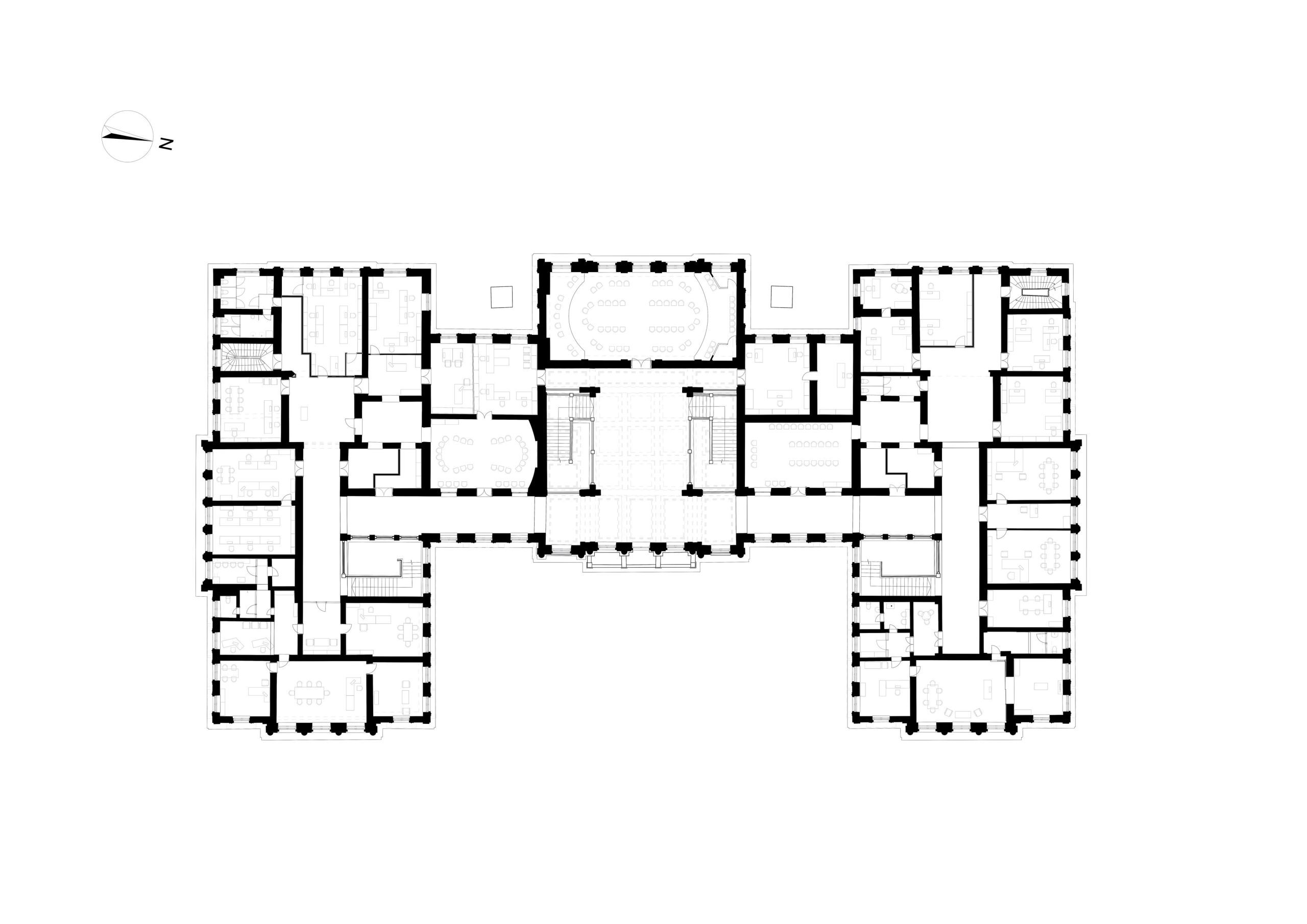
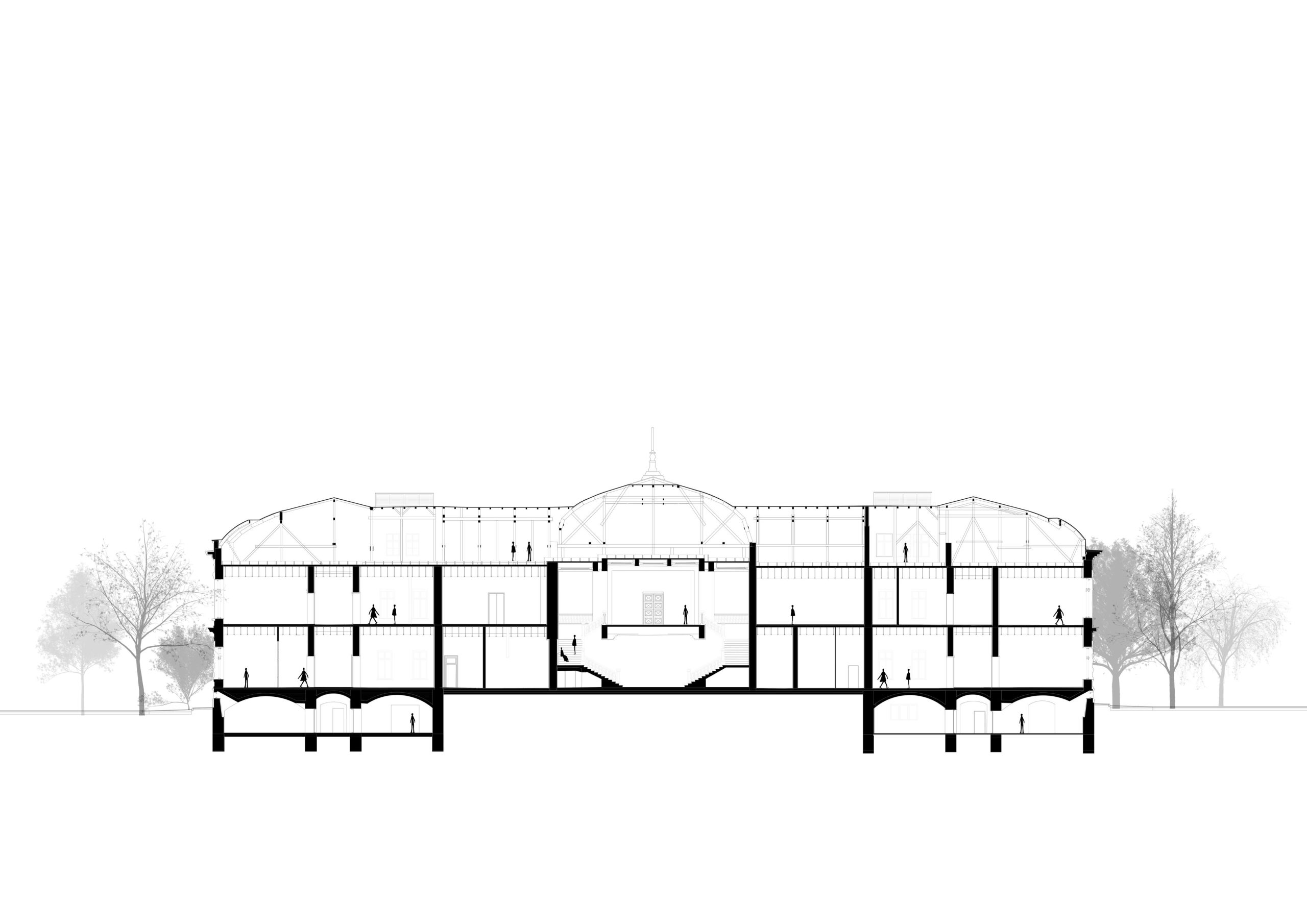
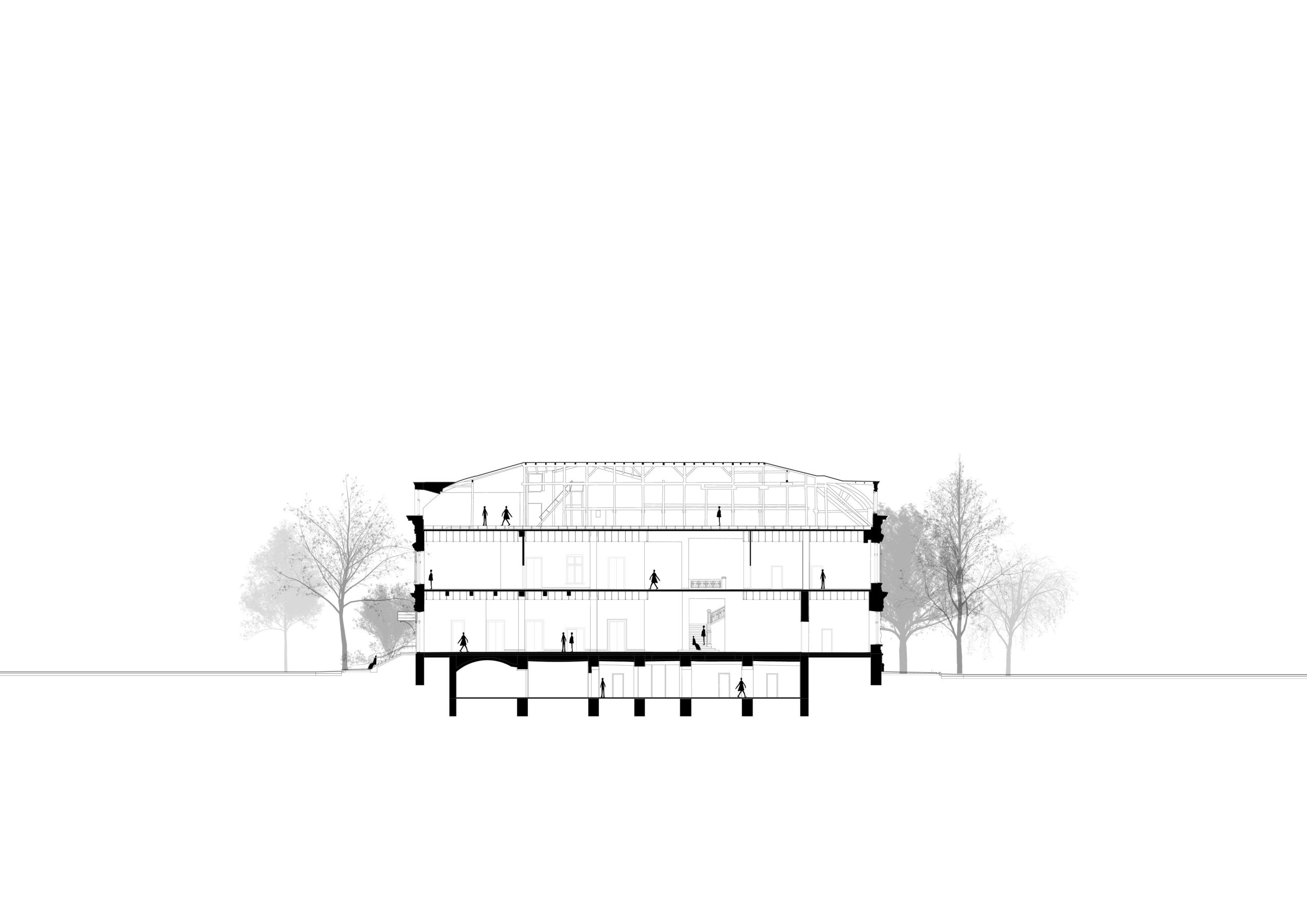
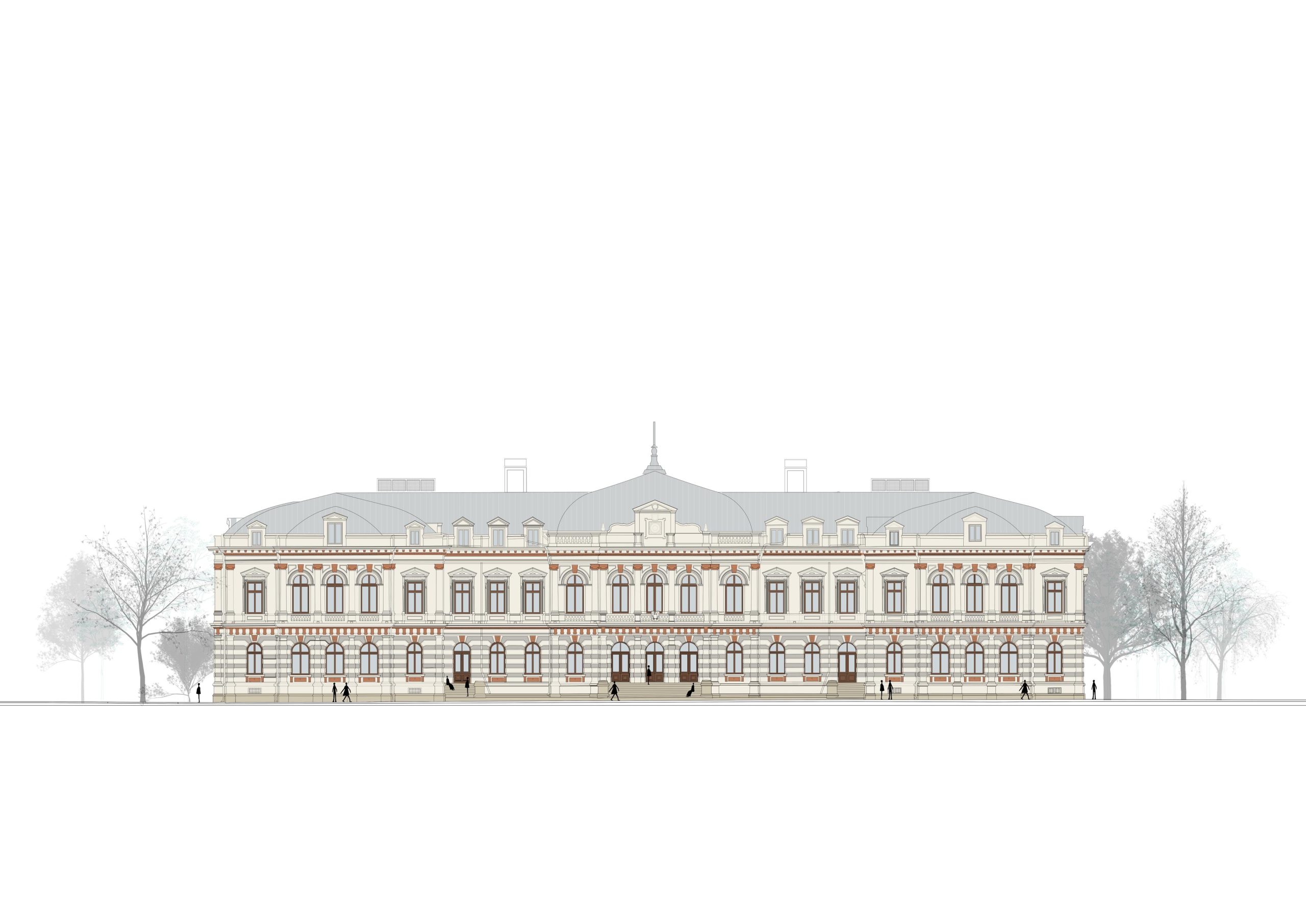
Bacău Administrative Palace
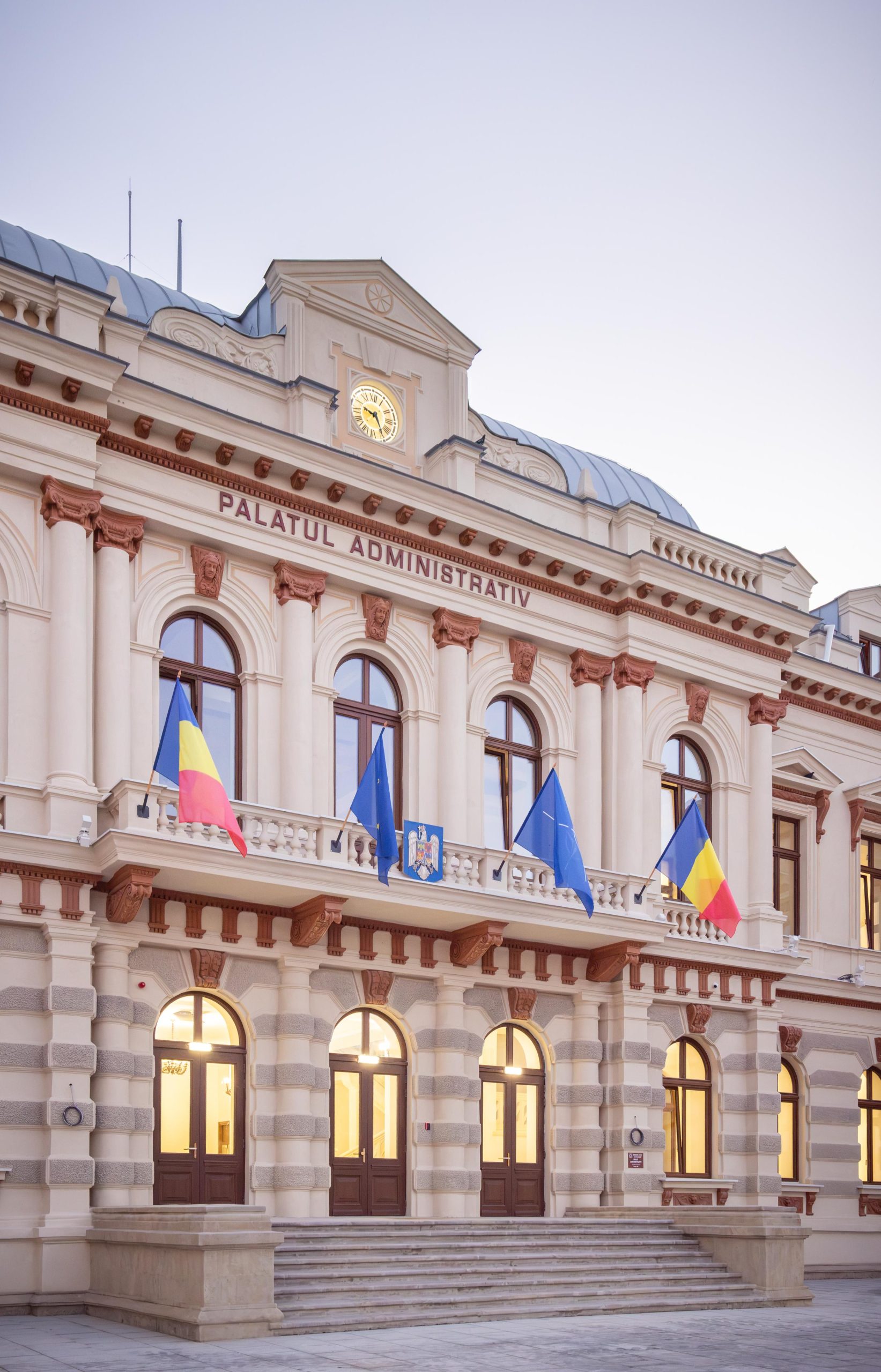
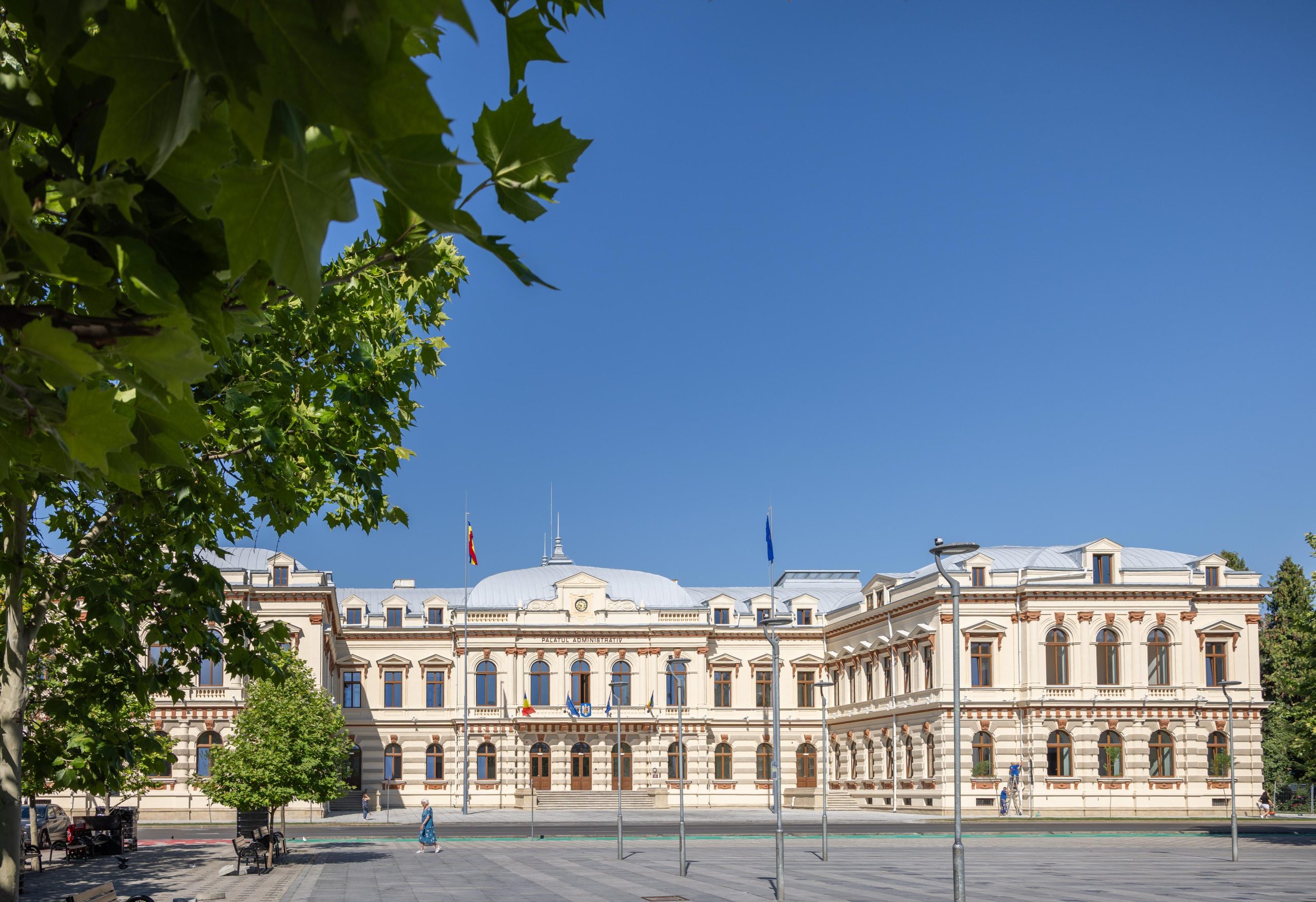
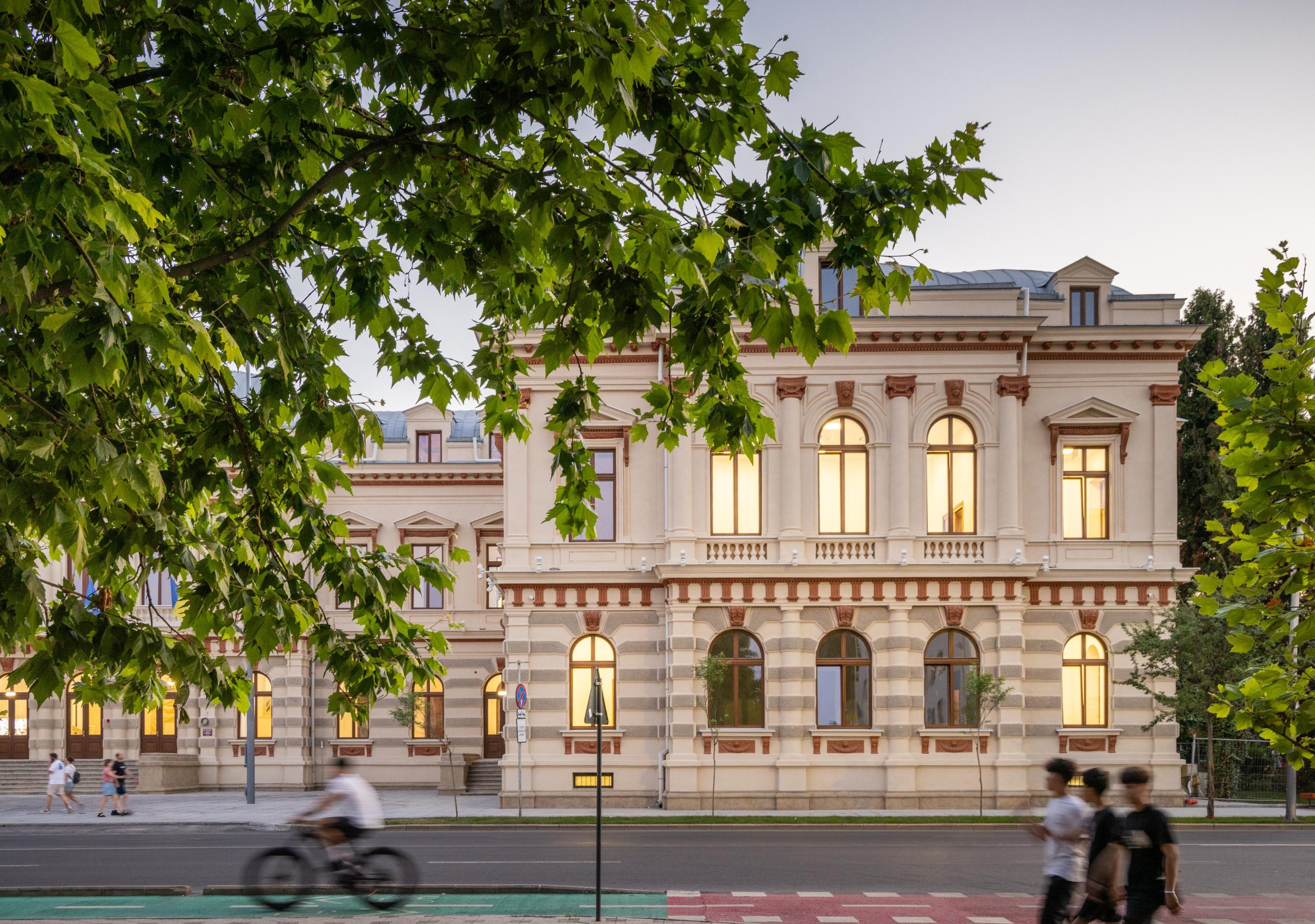
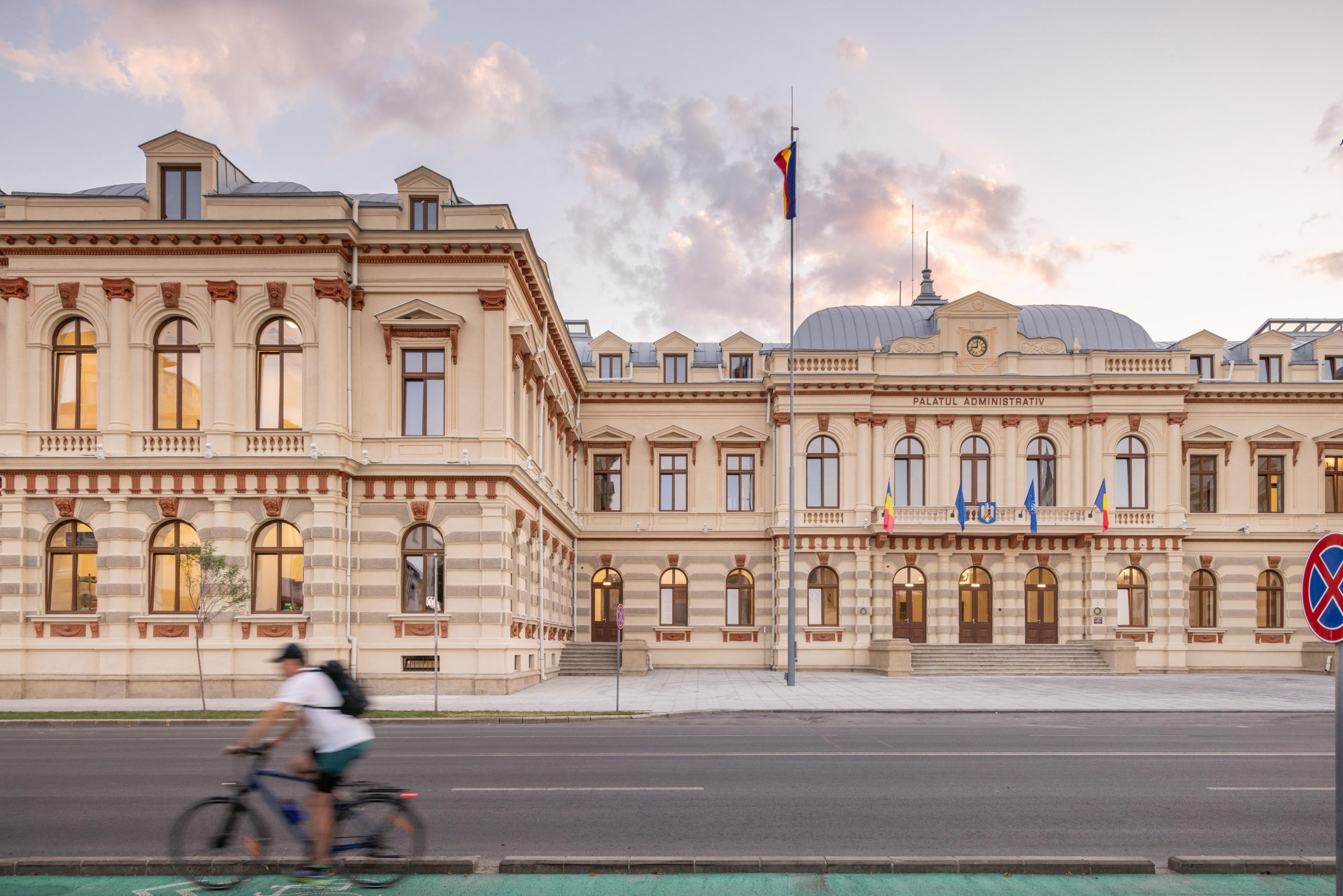
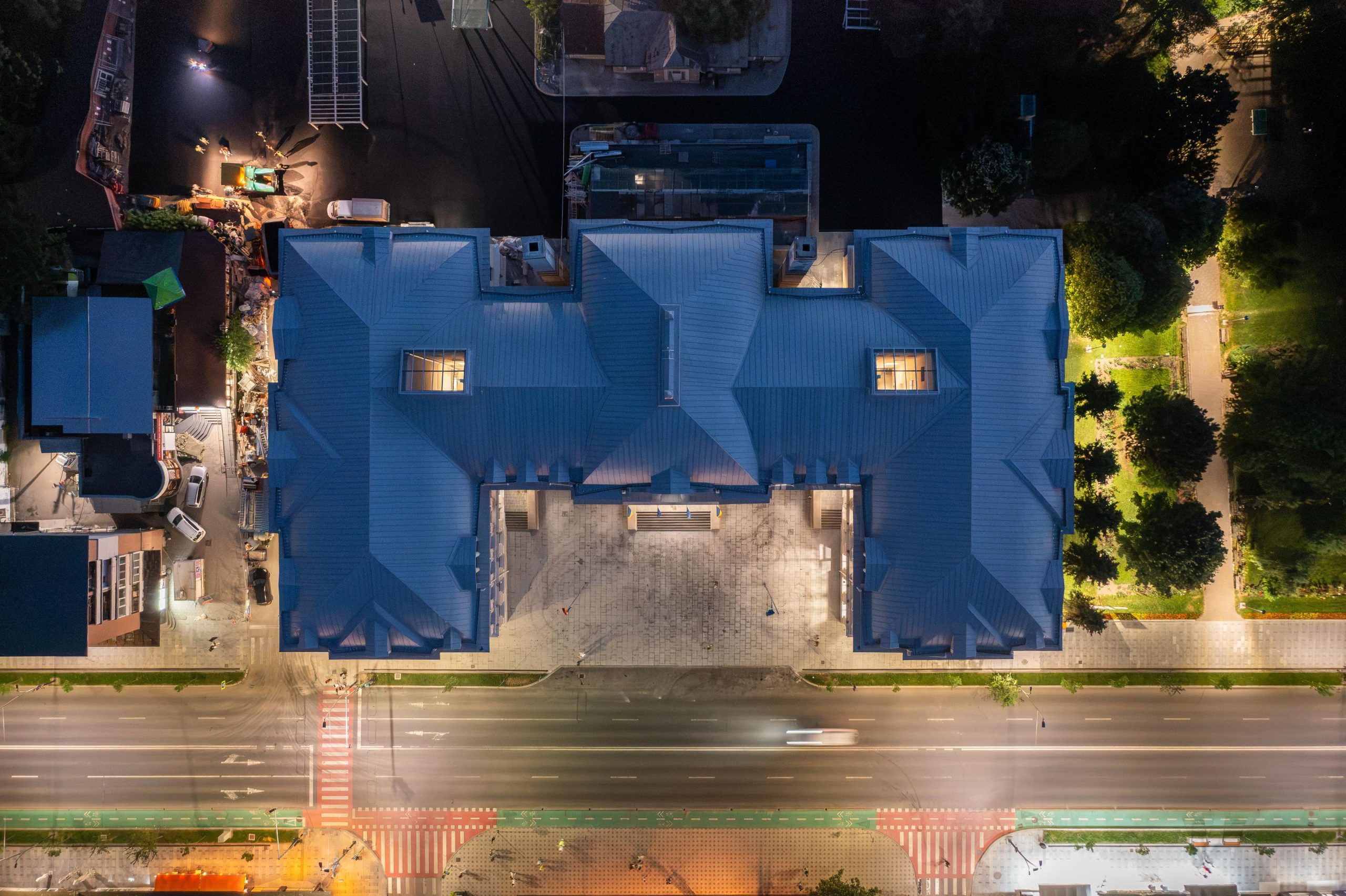
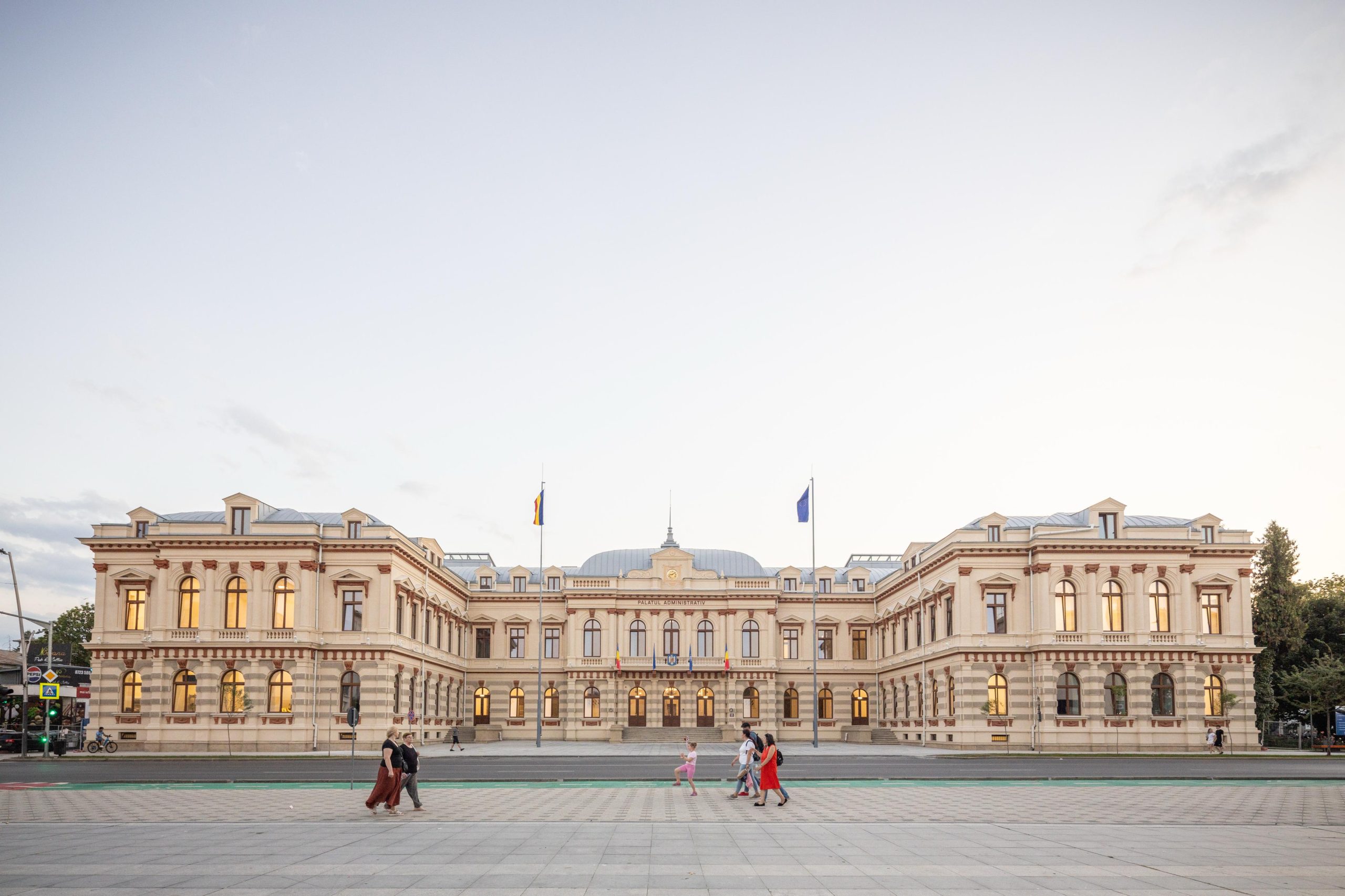
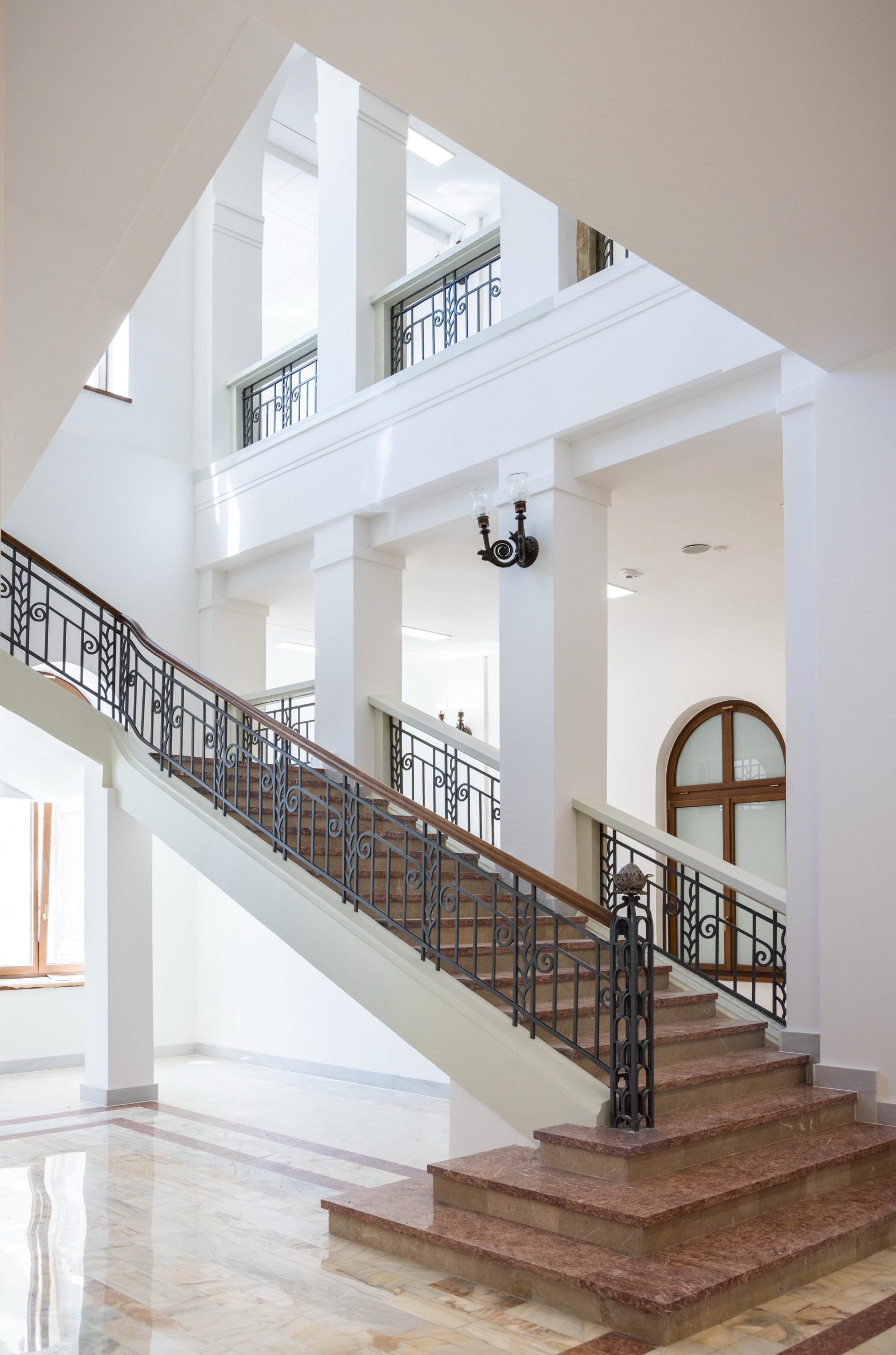
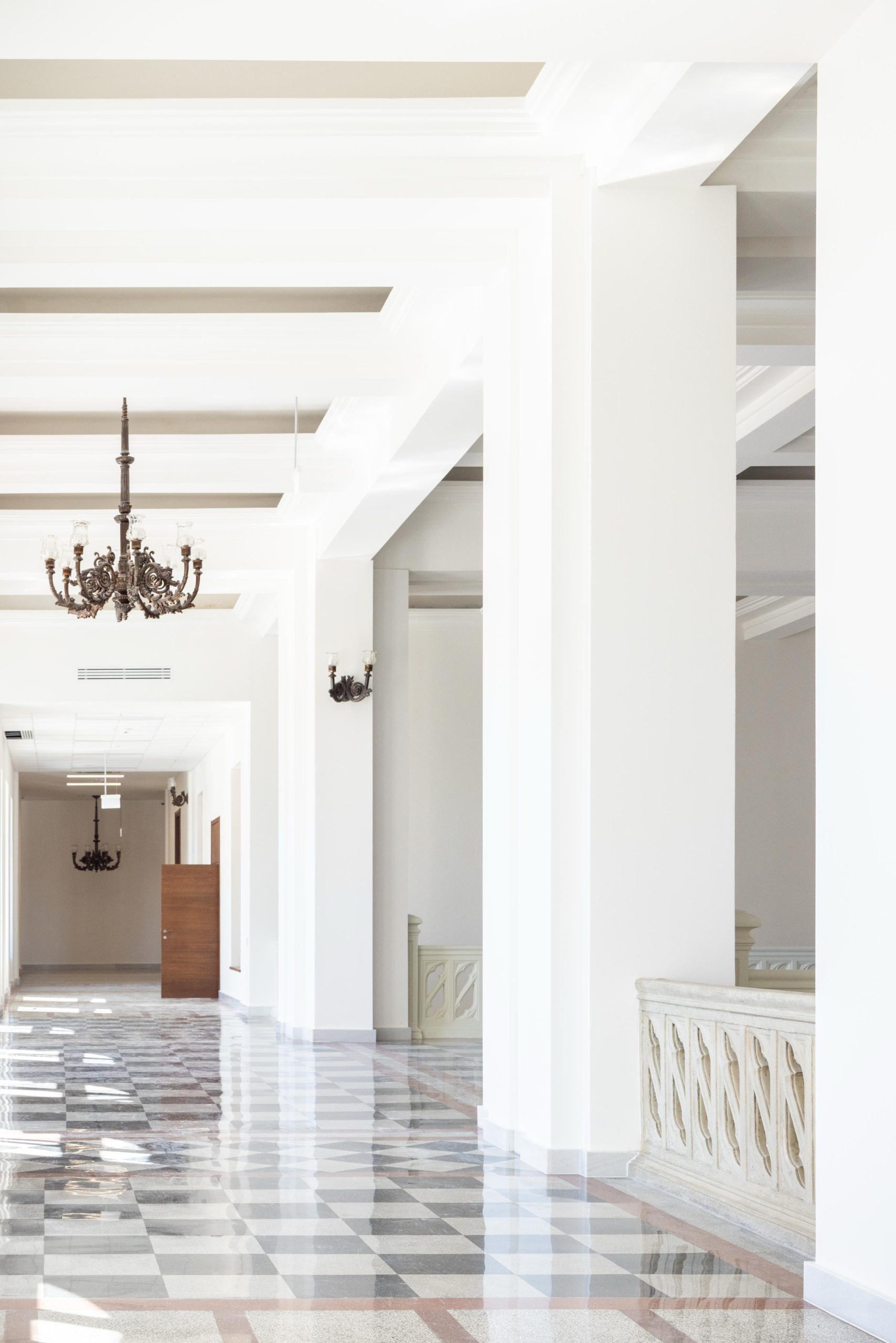
Constructed between 1886–1890, based on plans by architect Paul Petricu, and substantially extended between 1931–1935 by architect G.M. Cantacuzino, the building has undergone multiple stages of intervention, especially after the 1977 earthquake and during the post-communist period. Unfortunately, some of these interventions were carried out without a coherent conservation framework, affecting the architectural coherence of the complex.
Starting from 2022, the property is the subject of an extensive structural consolidation and moderate energy renovation project, financed through the National Recovery and Resilience Plan – Component 5, „Renovation Wave”. The contract was awarded following a public procurement procedure, with design provided by Quadratum Architecture, as part of the CONCELEX – QUADRATUM ARCHITECTURE – CONCELEX ENGINEERING association. The technical solutions were developed in an interdisciplinary manner under the coordination of project managers certified by the Ministry of Culture for all involved specialities – architecture, structural engineering, installations – as well as for the restoration of artistic components, particularly those made of stone and stucco.
The project was initially based on a summary DALI (Documentary Asset for Landscape Interpretation), which received a conditionally favourable opinion from the Ministry of Culture, with the explicit request to complete the documentation by redoing the feasibility studies. Consequently, to ensure rigorous design and responsible execution, we resumed essential stages right from the beginning, starting with a complete 3D scan of the building and updating the surveys, continuing with the performance of non-destructive tests and the comprehensive review of the technical structural expertise. In parallel, the historical architectural study was expanded and correlated, and for the artistic components – stone and stucco – a dedicated study and a complete intervention project were developed. Only after these steps was the final intervention solution formulated coherently and on a sound basis, subsequently receiving a favourable opinion from the National Commission for Approval of Historical Monuments, both at the DTAC (Design for Construction Approval) stage and at the technical project (PT+DE - Technical Project + Engineering Design) level.
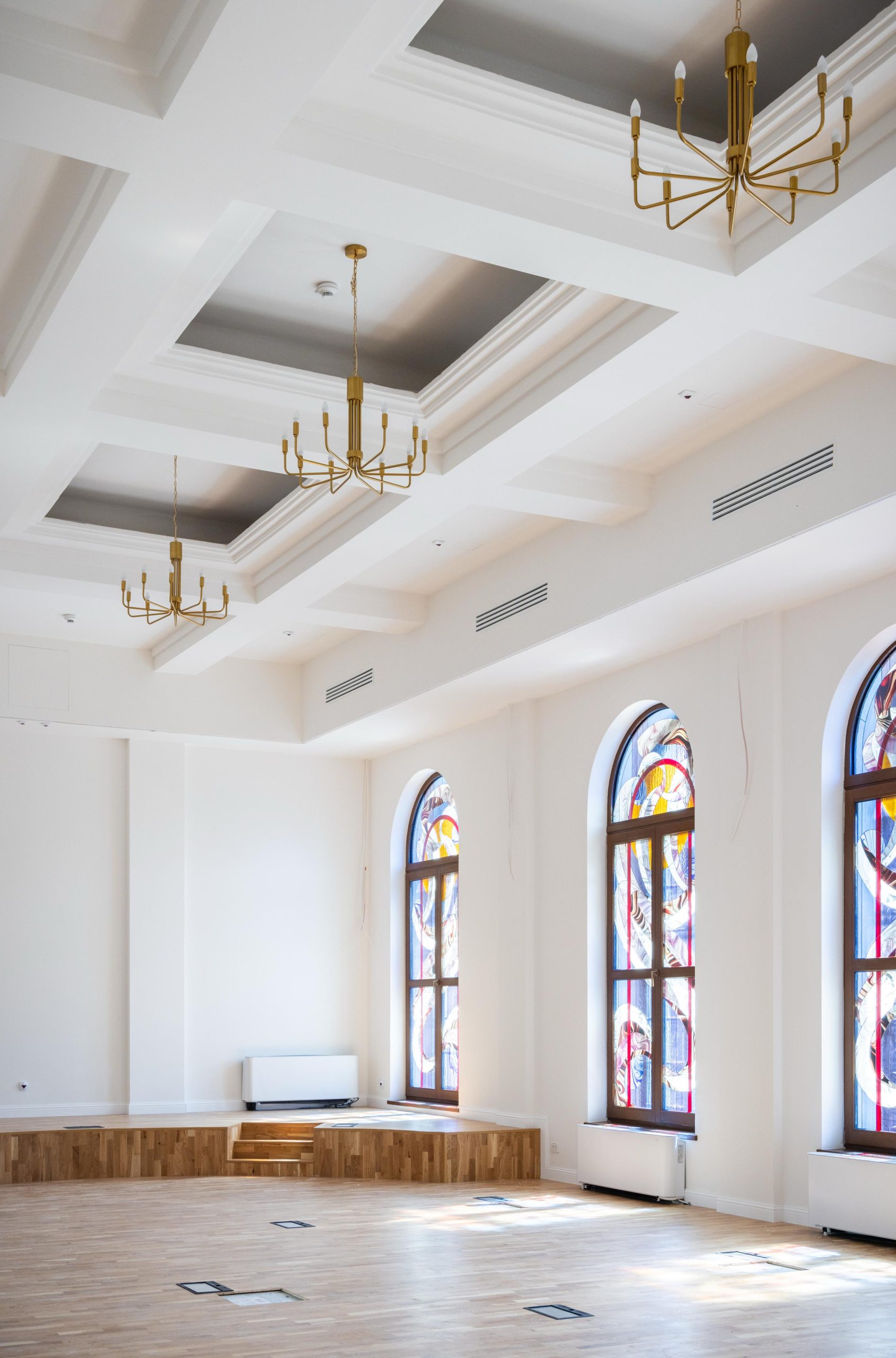
An essential aspect of the process was compliance with current fire safety requirements. A detailed ISU scenario was developed, in accordance with MAI Order no. 180, supplemented by CC and CI (fire safety) expertise, which underpinned the technical measures applied for user safety and asset protection. It is proposed that all installation systems be completely rebuilt – electricity, data, air conditioning, ventilation, and fire detection – in compliance with the specific requirements for a public building of major administrative importance.
Structurally, the building benefits from differentiated reinforcement adapted to the historical characteristics of the property. The applied solutions include modern methods such as crack injection, localised replacement of timber beams, reconstruction of floor slabs in affected areas, the use of fibreglass mesh, and other reversible techniques with minimal impact on the historical fabric.
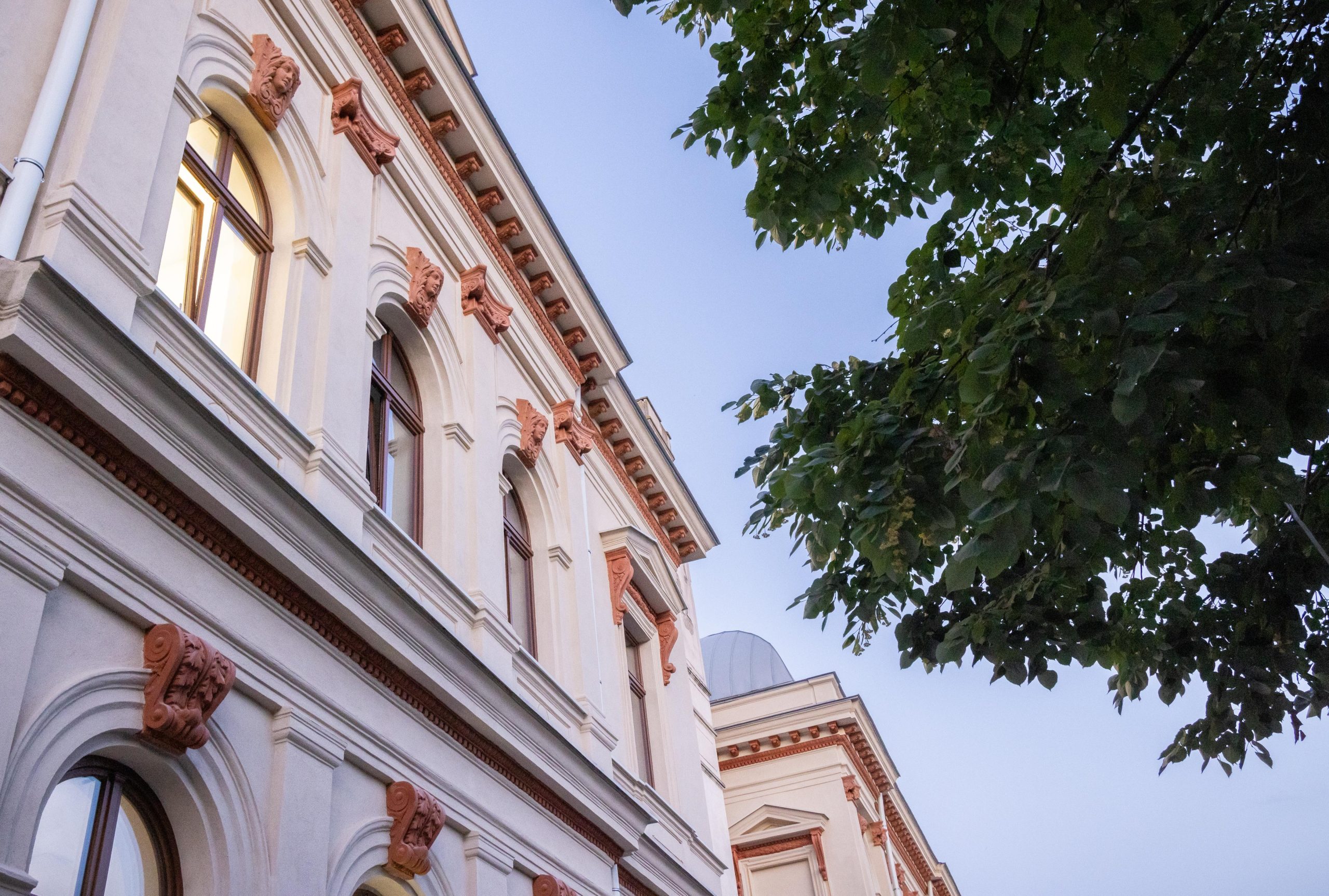
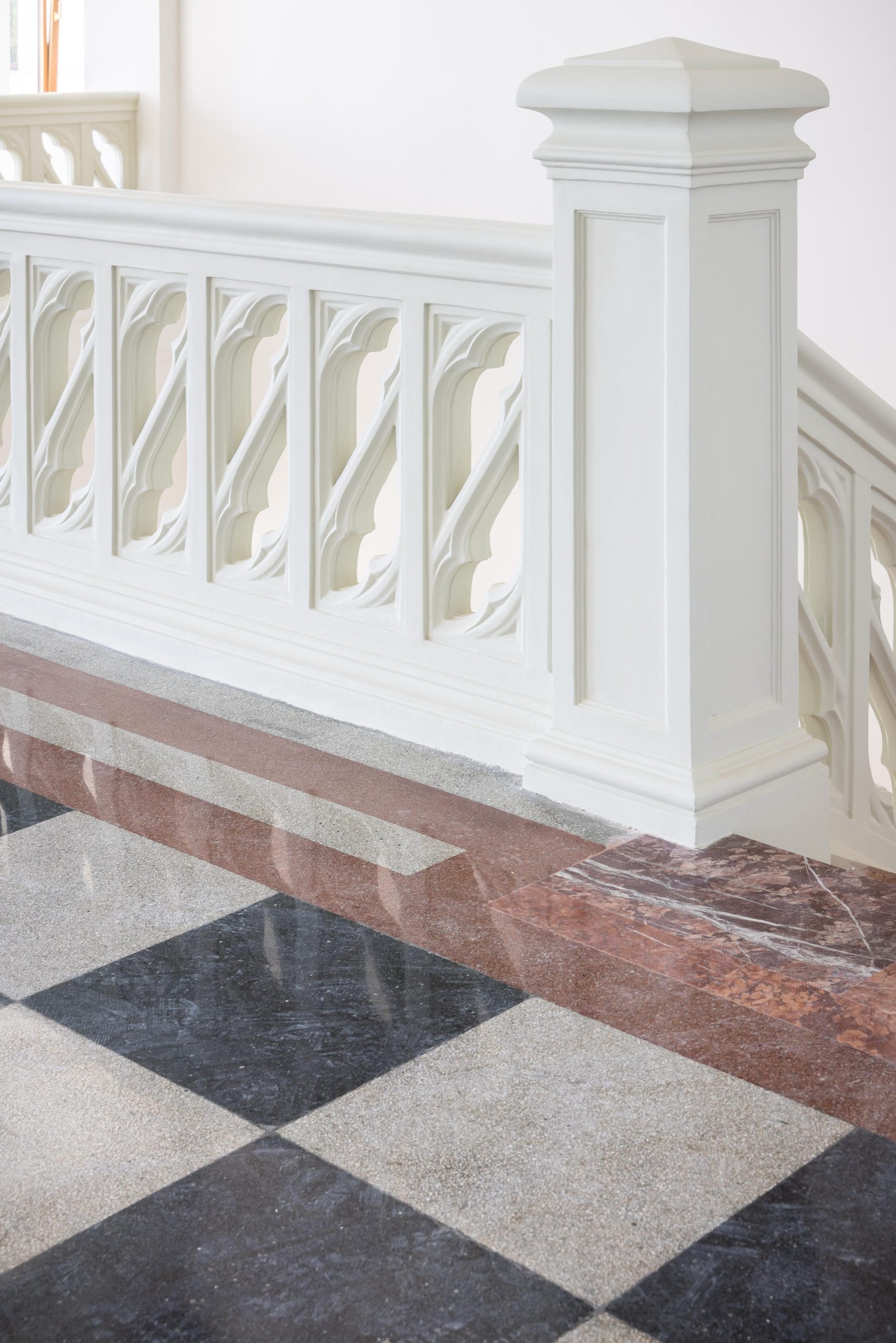
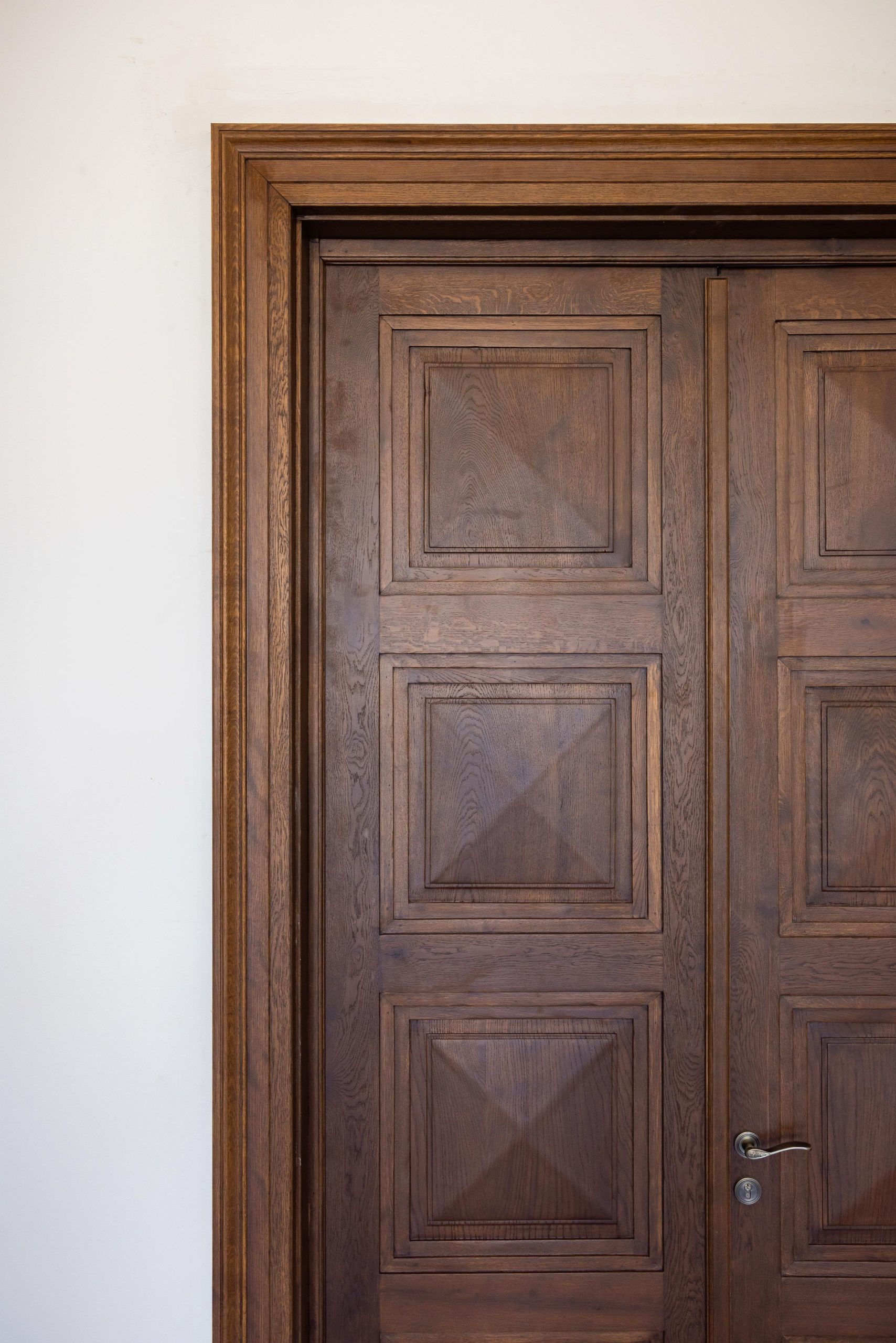
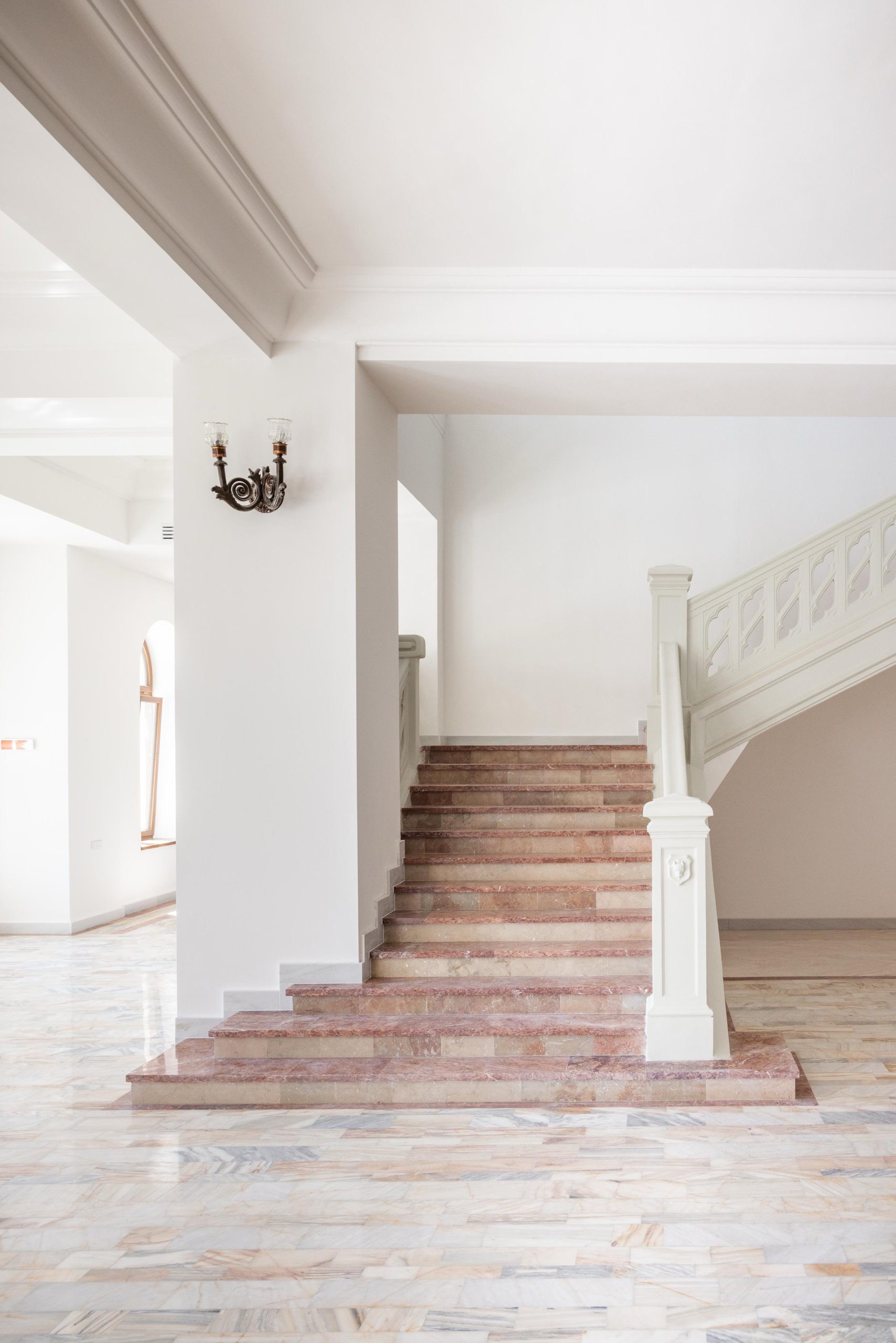
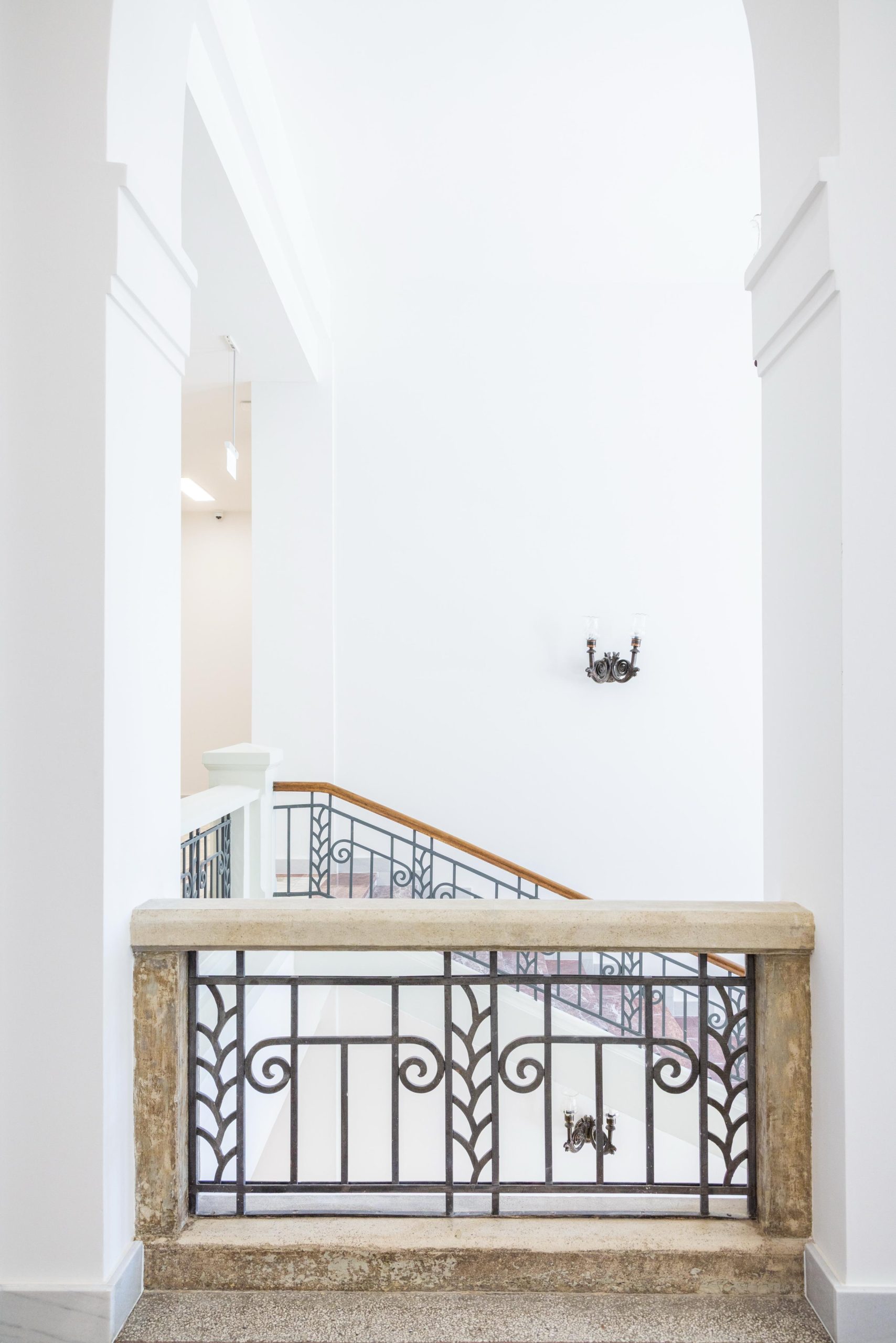
Particular attention was paid to the restoration of artistic components, severely affected by previous non-compliant interventions (such as painting the ceramics white or mounting equipment on ornamental facades). The interventions were planned on a case-by-case basis, based on detailed studies and rigorous compatibility testing of materials, and were carried out under the direct supervision of accredited specialists.
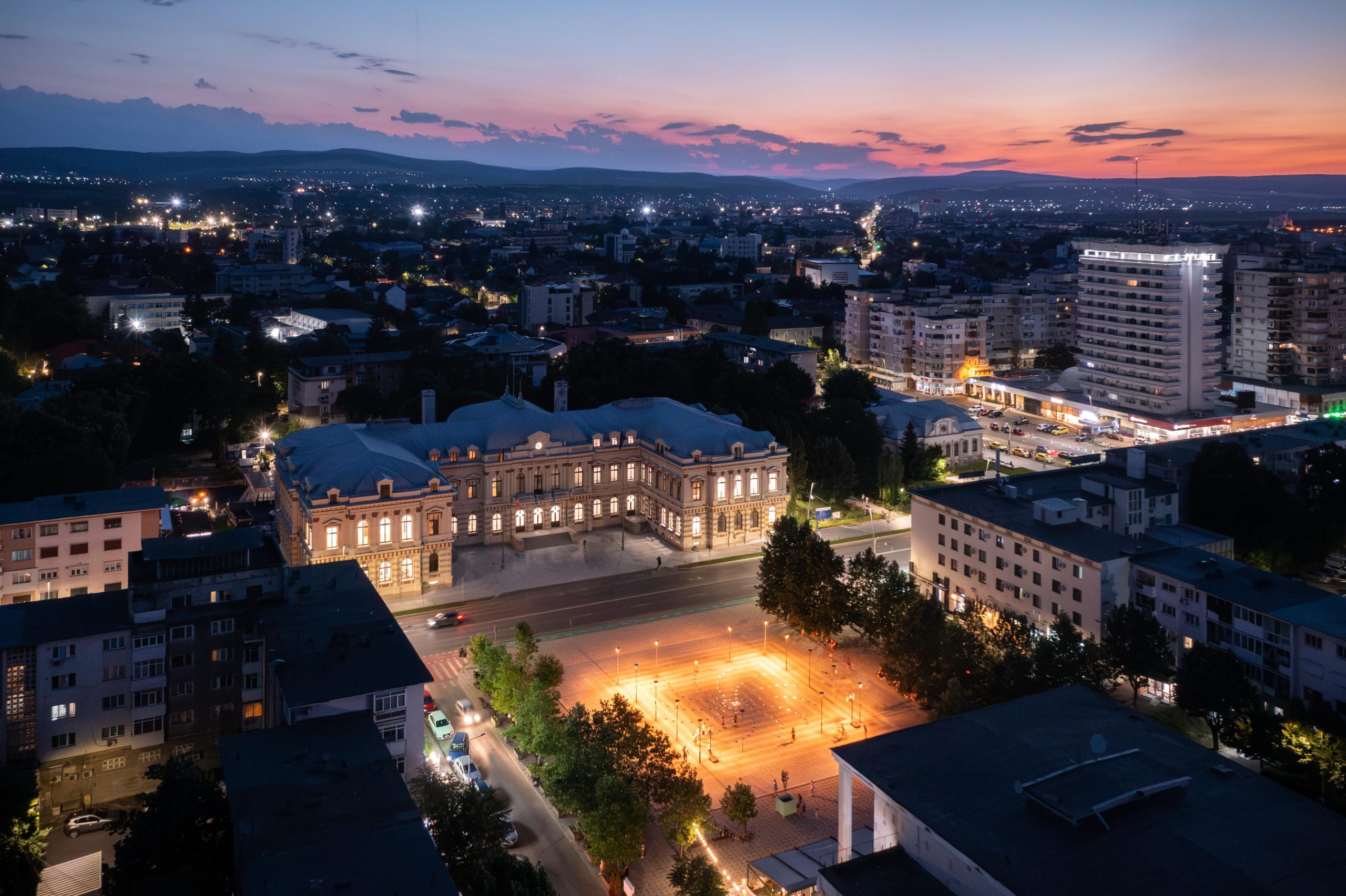
The project is currently underway, with completion of works estimated for 2026. Through this complex and well-documented intervention, the Bacău County Administrative Palace will not only be brought up to contemporary safety and functionality standards, but will also be coherently reintegrated into the urban landscape and civic life of the city, with full respect for its architectural identity and historical value.
Function
Public BuildingsSpecific
Public InvestmentsLocation
Bacău, Bacău CountyBeneficiary
Prefectural Institution - Bacău CountyTotal area (m²):
10 882Gross floor area (m²)
6 852Awards:
Winner of the 9th Smart City Industry Awards (SCIA9) - award for Innovative Urban Development and Infrastructure